A growing number of U.S. states are pushing back against efforts to impose uniform national electric vehicle mandates, arguing that a one size fits all approach fails to reflect regional differences in infrastructure, consumer behavior, and economic conditions. The resistance highlights a widening divide between federal electrification goals and state level realities.
At the center of the debate are proposed timelines and requirements that would accelerate the transition away from gasoline powered vehicles. While some states have embraced aggressive electrification targets, others say the mandates move faster than local markets can reasonably support.
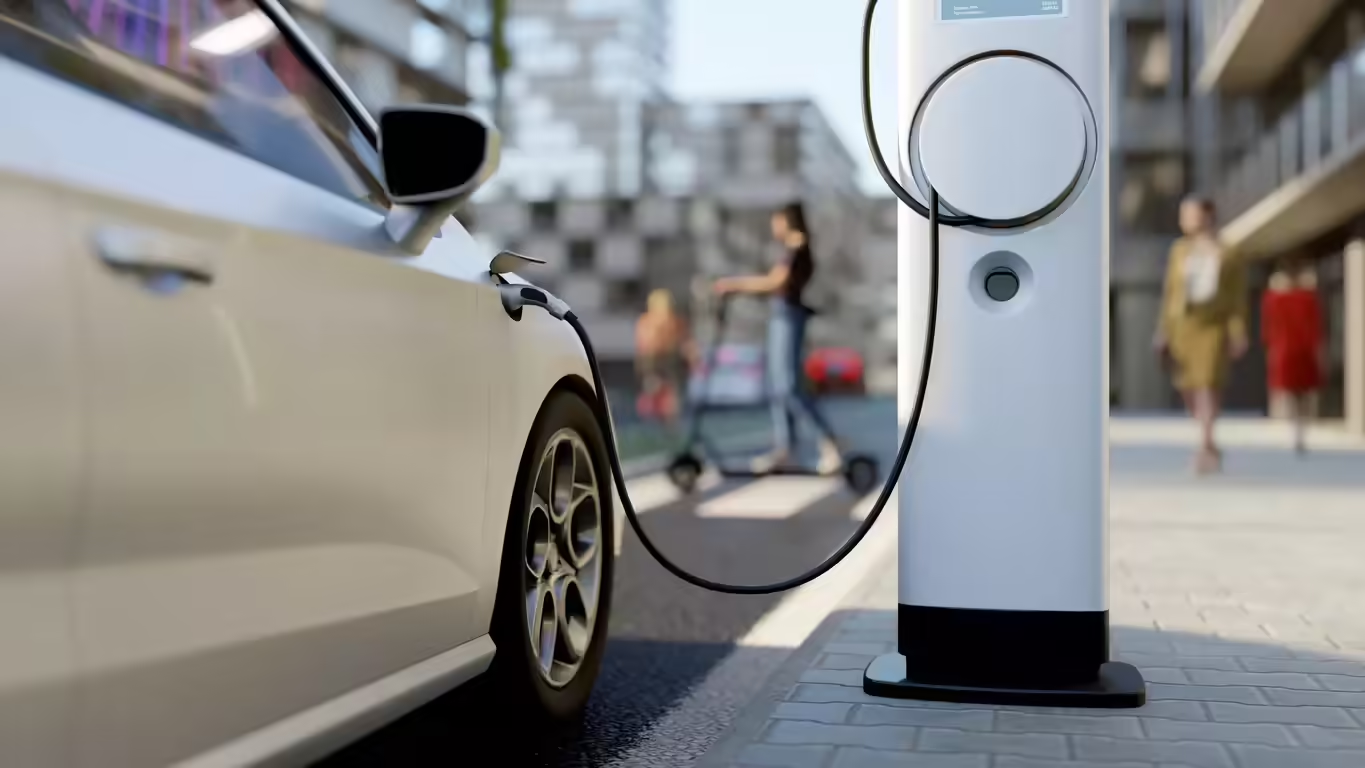
States with large rural populations and long driving distances have been among the most vocal critics. Officials argue that limited charging infrastructure, lower population density, and colder climates make rapid EV adoption more challenging. In these regions, consumers often rely on trucks and larger vehicles for work and daily transportation, and alternatives remain limited.
Cost concerns are also driving opposition. Lawmakers in several states say that higher upfront prices for electric vehicles place an unfair burden on residents, particularly in lower income or more price sensitive markets. Even with incentives, affordability remains a barrier, and state leaders worry that mandates could restrict consumer choice before viable options are widely available.
Manufacturing and employment considerations add another layer of tension. States with strong ties to traditional auto manufacturing and supplier networks fear that accelerated mandates could disrupt local economies if the transition outpaces workforce retraining and investment. Governors and legislators have called for more flexible timelines that allow industry and labor to adapt gradually.
Supporters of national mandates argue that consistency is necessary to provide regulatory clarity for automakers and accelerate emissions reductions. They contend that a patchwork of state policies complicates compliance and slows progress toward climate goals. However, opponents counter that flexibility, not uniformity, is essential to sustaining public support and avoiding backlash.
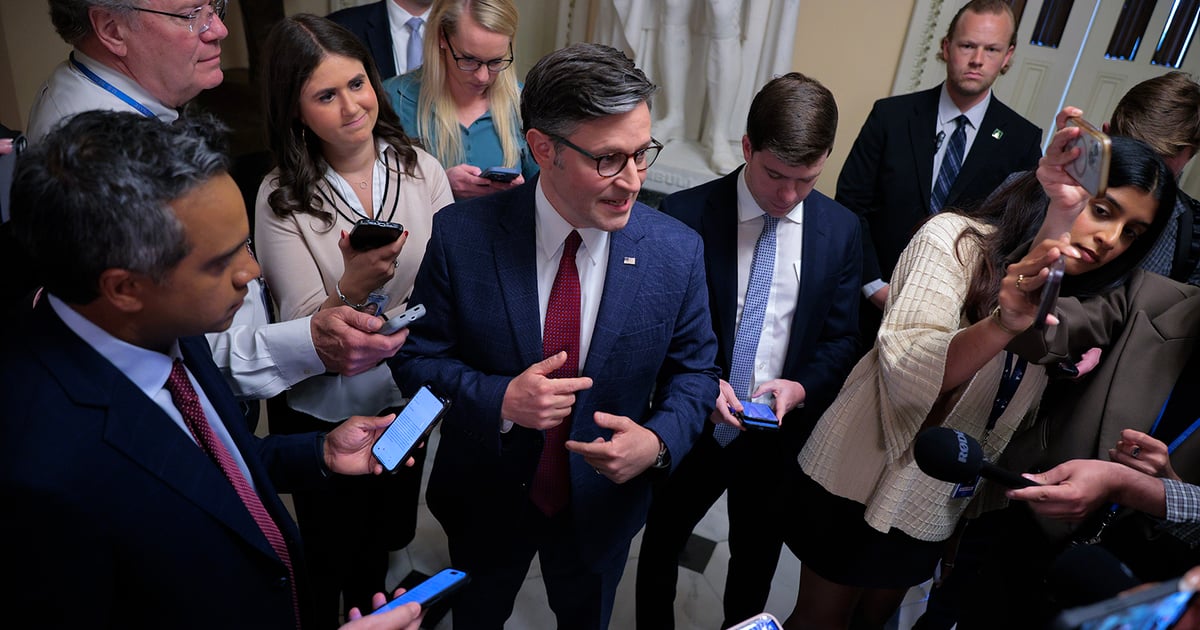
The role of federal agencies such as the Environmental Protection Agency has also come under scrutiny. Some states have challenged the scope of federal authority, asserting that transportation policy should allow greater state discretion rather than top down enforcement.
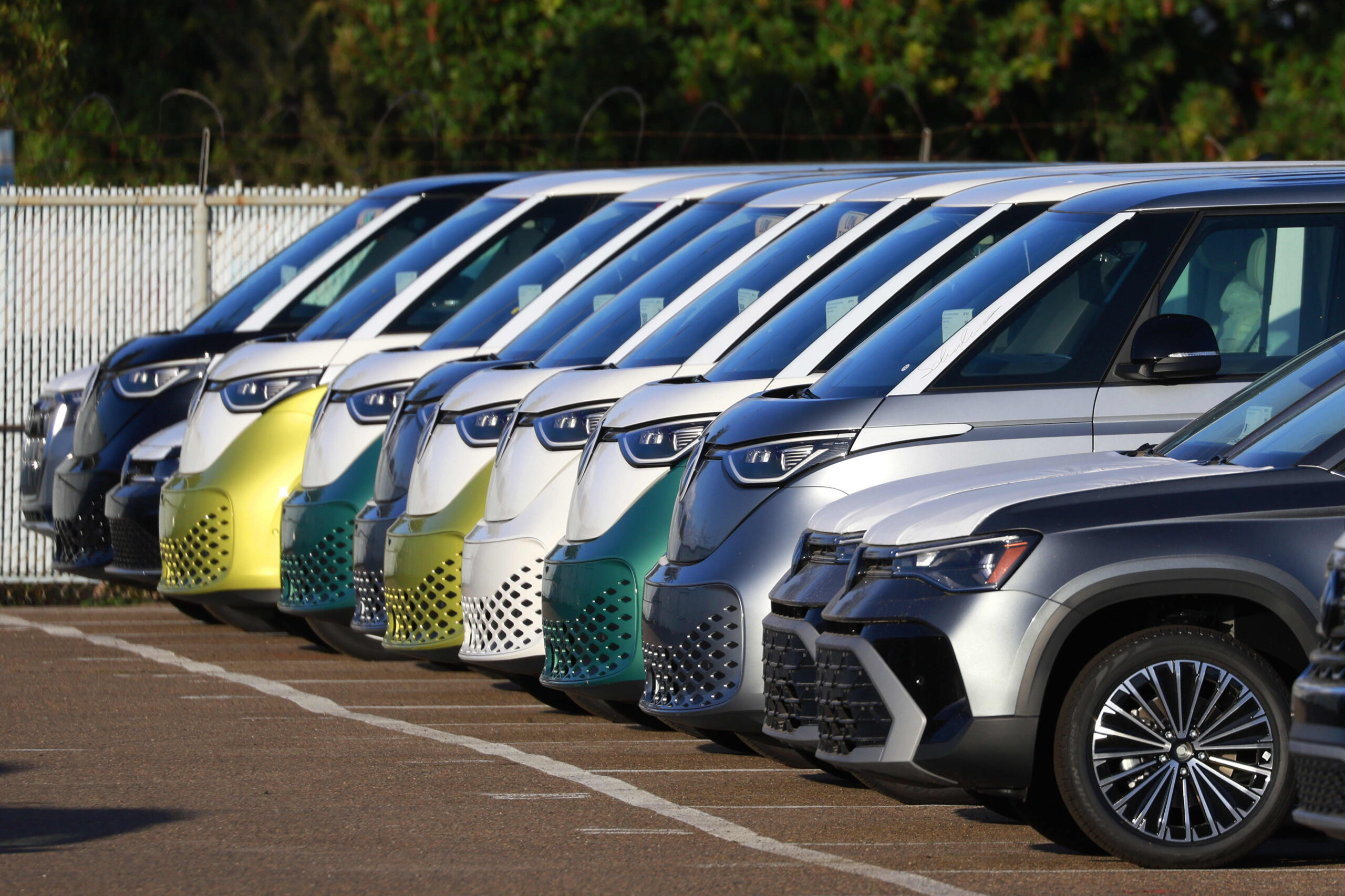
Automakers are watching the debate closely. While companies generally support clearer long term standards, many also acknowledge that EV adoption is progressing unevenly. Several manufacturers have privately expressed concern that rigid mandates could force production decisions that do not align with demand, increasing costs and inventory risk.
Legal challenges and legislative efforts are already underway in some states to block or delay implementation of stricter requirements. These actions suggest that the conflict is likely to persist, shaping policy discussions well into the next decade.
As the debate continues, the broader question remains unresolved. How fast should the transition occur, and who gets to decide the pace. For now, state resistance underscores a central reality of the U.S. auto market. Electrification is advancing, but not uniformly, and policy may need to reflect that uneven landscape rather than attempt to override it.