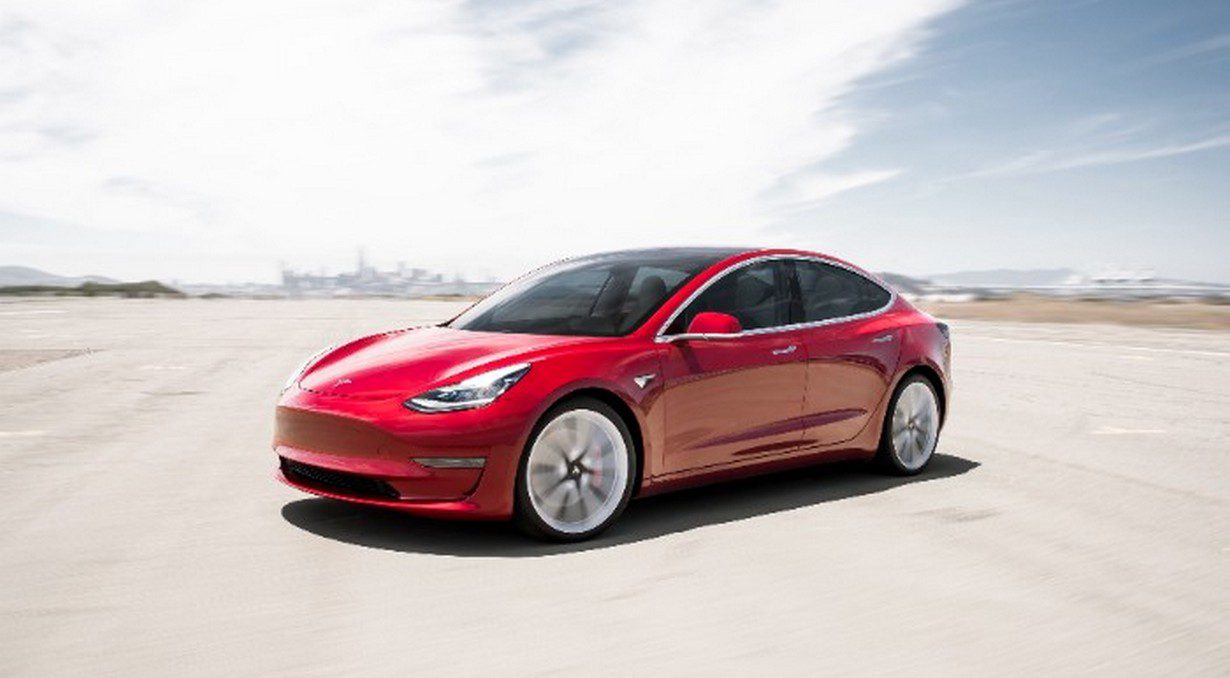
Resistance is growing among U.S. states against uniform national electric vehicle mandates as lawmakers question whether a single timeline can realistically accommodate the country’s economic and geographic diversity. The pushback reflects rising tension between federal electrification goals and state level realities.
Several states argue that nationwide mandates fail to account for differences in infrastructure readiness, consumer demand, and vehicle usage patterns. Rural states in particular say that long driving distances, limited charging access, and colder climates make rapid EV adoption more difficult than federal targets assume.
Affordability remains a central concern. State officials point out that higher upfront EV prices, even after incentives, place pressure on lower income and price sensitive consumers. In markets where household budgets are already stretched, mandates are seen as restricting choice before alternatives are fully viable.
Infrastructure gaps further complicate compliance. While urban regions continue to add charging stations, many states lack reliable highway and rural charging coverage. Lawmakers argue that imposing sales or emissions mandates without first closing those gaps risks slowing vehicle turnover rather than accelerating electrification.
Manufacturing and employment considerations are also shaping opposition. States with strong ties to traditional auto manufacturing and supplier networks worry that aggressive mandates could disrupt local economies if production shifts faster than workforce retraining and investment can support. Governors and legislators have called for more flexible approaches that allow industry and labor to adapt gradually.
Supporters of national mandates counter that consistent standards are necessary to provide certainty for automakers and drive emissions reductions at scale. They argue that fragmented rules increase compliance costs and delay progress. However, critics respond that flexibility, not uniformity, is essential to sustaining public support and avoiding backlash.
Federal agencies such as the Environmental Protection Agency remain central to setting emissions policy, but state challenges are increasingly testing the limits of federal authority. Legal efforts and legislative actions are underway in multiple states to delay or block adoption of stricter requirements.
Automakers are watching closely. While manufacturers generally support long term clarity, many acknowledge that EV adoption is advancing unevenly across the country. Rigid mandates could force production decisions that do not align with demand, increasing inventory risk and cost pressure.
The debate highlights a broader issue facing the U.S. auto market. Electrification is not progressing at the same pace everywhere. States pushing back argue that policy should reflect that uneven landscape rather than attempt to override it.
As the discussion continues, the question is shifting from whether electrification will happen to how fast it should occur and who decides the pace. For now, state resistance suggests that uniform national EV mandates will remain a contested and unresolved issue well into the next decade.