Tesla Unleashes Enhanced Performance Credentials
Tesla has quietly rolled out a comprehensive performance upgrade package for the 2024 Model 3 Performance, transforming the already quick electric sedan into a legitimate track weapon. The update, which began appearing on new deliveries this month, represents Tesla’s most significant performance-focused refresh since the original Model 3 Performance launched in 2018.
What’s New Under the Hood (And Everywhere Else)
The headline addition is Tesla’s new Track Mode 3.0, an evolution of the company’s track-focused driving software that now includes predictive cooling, advanced torque vectoring, and real-time suspension adjustments. But the changes go far deeper than software.
Tesla has equipped the 2024 Model 3 Performance with Brembo four-piston front calipers as standard, replacing the previous single-piston units. The brake upgrade alone represents a $3,000 value improvement over the outgoing model, according to Tesla’s internal calculations.
Aerodynamics Get Serious
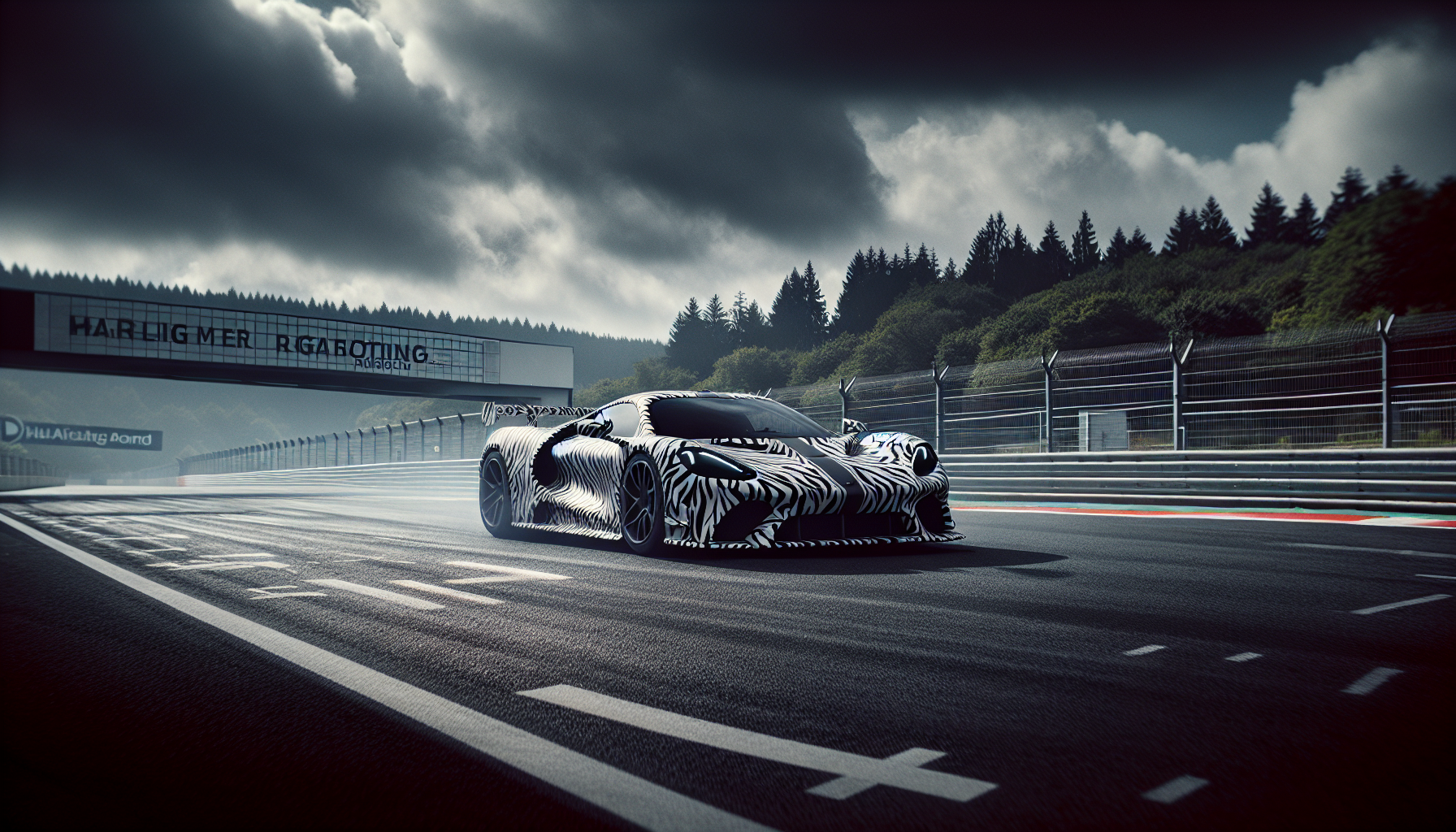
The exterior receives a more aggressive front splitter and a larger rear spoiler, both crafted from carbon fiber. Tesla claims these modifications reduce lift by 15% at highway speeds while maintaining the car’s impressive 0.23 drag coefficient. New 20-inch forged wheels, exclusive to the Performance variant, save 12 pounds of unsprung weight per corner.
Performance Figures That Impress
Despite the additional track-focused hardware, Tesla has managed to improve the Model 3 Performance’s acceleration figures. The 0-60 mph sprint now takes just 2.9 seconds, down from 3.1 seconds previously. More impressively, the quarter-mile time has dropped to 11.1 seconds at 122 mph.
The dual-motor all-wheel-drive system now produces 510 horsepower and 487 lb-ft of torque, representing increases of 60 hp and 37 lb-ft respectively. Tesla attributes these gains to improved battery cooling and more aggressive power management software.
Range Remains Competitive
Despite the performance improvements, EPA-estimated range sits at 315 miles, just 10 miles less than the previous model. Tesla’s fourth-generation heat pump and improved battery chemistry help maintain efficiency even with the additional power output.
Interior Updates Focus on Driver Engagement
Inside, Tesla has finally addressed longtime criticisms about the Model 3’s minimalist approach to performance driving. New Recaro sport seats with enhanced bolstering come standard, while the steering wheel receives a flattened bottom and alcantara wrapping.
The 15.4-inch central display now includes a dedicated Track Mode interface that shows real-time telemetry, including g-force readings, lap times, and thermal management status. A new Track Package option ($4,500) adds a roll cage, racing harnesses, and fire suppression system for serious track enthusiasts.
Pricing and Availability
The 2024 Tesla Model 3 Performance starts at $57,990 in the United States, representing a $3,000 increase over the previous model. In the UK, pricing begins at £56,990, with first deliveries expected in March 2024.
Tesla is also offering existing Model 3 Performance owners an upgrade path through its service network. The retrofit package, priced at $8,500, includes the new brakes, wheels, and software updates, though not the aerodynamic enhancements or interior changes.
Market Implications
This update positions Tesla more aggressively against traditional performance sedans like the BMW M3 and Mercedes-AMG C63. More significantly, it demonstrates Tesla’s commitment to enthusiast-focused products even as the company expands into mainstream segments.
The timing coincides with increased competition in the performance EV space, particularly from Lucid’s Air Sapphire and BMW’s new iM3. Tesla’s approach of continuous improvement through over-the-air updates and running changes allows for more responsive product development compared to traditional model-year cycles.
The Verdict
Tesla’s 2024 Model 3 Performance upgrade represents a maturation of the electric performance sedan concept. By addressing previous shortcomings in braking, aerodynamics, and track capability while maintaining the car’s efficiency and daily usability, Tesla has created what might be the most well-rounded performance EV currently available.
For driving enthusiasts who’ve been waiting for Tesla to take track performance seriously, the wait appears to be over. The question now is whether traditional performance car manufacturers can respond quickly enough to this electric evolution.