Key Facts
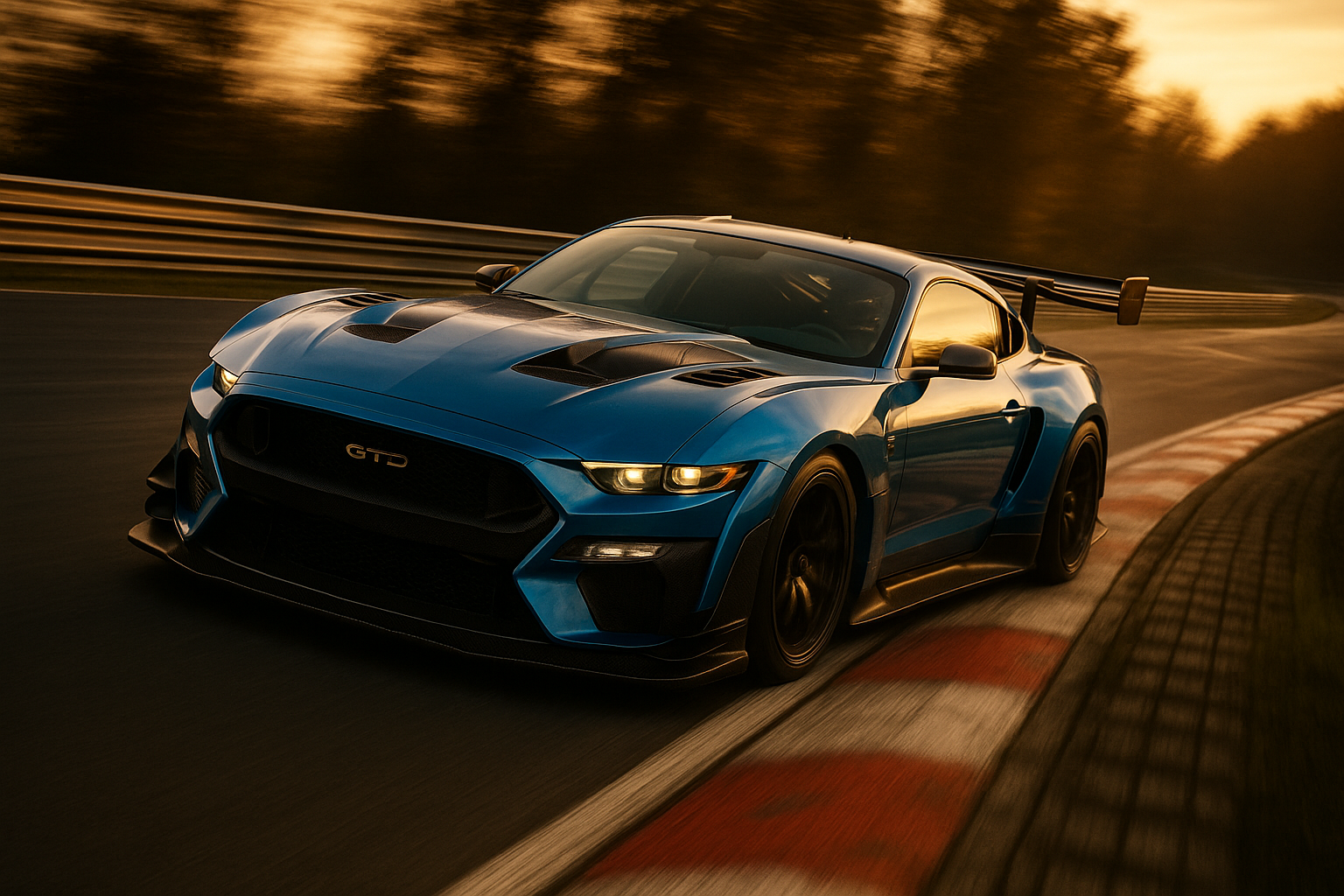
- Prototype spotted at Nürburgring features extended front lip, aggressive canards, and carbon-fiber components beyond the standard GR GT
- Track variant could exceed the base car’s 641 hp from its hybrid twin-turbo 4.0L V8 to rival Porsche 911 GT3 RS
- Standard GR GT launches in 2027 with 641 hp and 627 lb-ft, built around aluminum spaceframe derived from GT3 racing car
- Toyota has not confirmed whether aero components will be optional package or limited-run special edition
Toyota Gazoo Racing is developing a hardcore track-focused variant of its upcoming GR GT supercar, spy photographers confirmed after capturing a heavily modified prototype lapping the Nürburgring alongside a Porsche 911 GT3 RS benchmark vehicle. The camouflaged test mule features radical aerodynamic upgrades not found on either the 641-hp road car announced in December 2025 or the race-only GT3 variant, suggesting a third model positioned to challenge Porsche’s most extreme track machines.
According to Carscoops, which published spy photos on July 10, 2026, the prototype features an extended front lip, aggressive canards, an enhanced aerodynamic package, and carbon-fiber components not present on the standard road-going GR GT. The aggressive testing programme at Germany’s legendary circuit confirms Toyota is benchmarking directly against Porsche’s flagship track-focused models.
Potential GR GT RS to Bridge Road and Race Variants
The prototype’s specification suggests Toyota is creating a middle ground between the road car and the race-only GT3 version—potentially badged GR GT RS in a direct challenge to Porsche’s naming convention. AutoEvolution reports that if positioned as a GT3 RS rival, the track variant would likely pair the enhanced aerodynamics with sharper suspension tuning and potentially a higher-output version of the hybrid twin-turbo 4.0L V8, exceeding the base car’s 641 hp to challenge both the Porsche 911 GT3 RS and the upcoming Mercedes-AMG GT Black Series.
The standard GR GT road car, which launches in 2027, employs a 4.0-liter twin-turbocharged V8 hybrid producing 641 hp and 627 lb-ft of torque, according to AutoEvolution. Built around an aluminum spaceframe chassis derived from the GT3 racing car, the GR GT represents an unusual reverse-engineering approach—developing the race car first, then creating road-going variants rather than the traditional road-to-race progression that has defined the sports car industry for decades.
Active Aero and Advanced Technology Under Consideration
PistonHeads UK reports that Toyota chief engineer Naoyuki Doi hinted active aerodynamics and DRS-style movable wings—currently exclusive to the Porsche 911 GT3 RS—are not off the table for future GR GT variants. The base car uses only passive aerodynamics and adjustable dampers, leaving significant technological headroom for a more extreme version.
Toyota has not yet confirmed whether the carbon-fiber aerodynamic components will be offered as an optional package for the regular GR GT or arrive as a limited-run special edition, with both development paths reportedly under consideration, according to Carscoops.
Toyota’s Flagship Supercar Strategy
The Nürburgring testing programme confirms Toyota Gazoo Racing’s ambition to establish the GR GT as a credible challenger to European supercar marques, filling the flagship void left by the Lexus LFA which debuted in 2010. AutoEvolution notes the testing demonstrates Toyota’s commitment to benchmarking against Porsche’s most extreme track-focused models as it seeks to prove Japanese engineering can match Stuttgart’s decades of experience in creating road-legal track weapons.
The approach represents a significant departure for Toyota, which has historically focused on reliability and value rather than outright performance. By developing the GT3 racing car first and reverse-engineering road variants from competition hardware, Gazoo Racing is applying lessons learned from its successful endurance racing programmes, including multiple Le Mans victories.
What This Means for Buyers
If Toyota proceeds with a track-focused GR GT variant—whether as a standalone model or optional performance package—buyers will face a critical decision point. The standard GR GT already positions itself as a premium offering in six-figure territory, and a more extreme RS-style variant would command a substantial premium, potentially approaching or exceeding £200,000 / $250,000 / €230,000.
For track-day enthusiasts and collectors, the proposition is compelling: Toyota’s legendary reliability combined with race-derived technology and aerodynamics that could genuinely rival the Porsche 911 GT3 RS. However, Toyota faces significant challenges in justifying premium pricing against Porsche’s GT division, which has spent decades refining the art of the track-focused road car and commands fierce brand loyalty among enthusiasts.
The timing is also critical. With Porsche expected to introduce a turbocharged and potentially hybridized 992.2 GT3 RS in 2027—the same year the standard GR GT launches—Toyota will be entering a market where the goalposts are moving. Success will depend not just on raw performance numbers, but on whether Gazoo Racing can match the chassis balance, steering feel, and mechanical refinement that have made Porsche’s GT cars the benchmark for driver engagement.
For now, the camouflaged prototype confirms Toyota’s intentions are serious. Whether the final product can deliver on the promise of challenging Stuttgart’s finest remains the most compelling question in the supercar segment.