U.S. auto retail profit margins are showing signs of compression in 2026 as manufacturer incentive activity increases across multiple vehicle segments. Dealers report that rising promotional programs are helping sustain transaction volumes, but they are also gradually reducing front-end profitability.
During the supply-constrained cycles of recent years, limited inventory enabled dealerships to maintain stronger margins with minimal discounting. As production levels normalize and dealer stock expands, automakers are reintroducing financing offers, cash rebates, and lease support to stimulate demand.
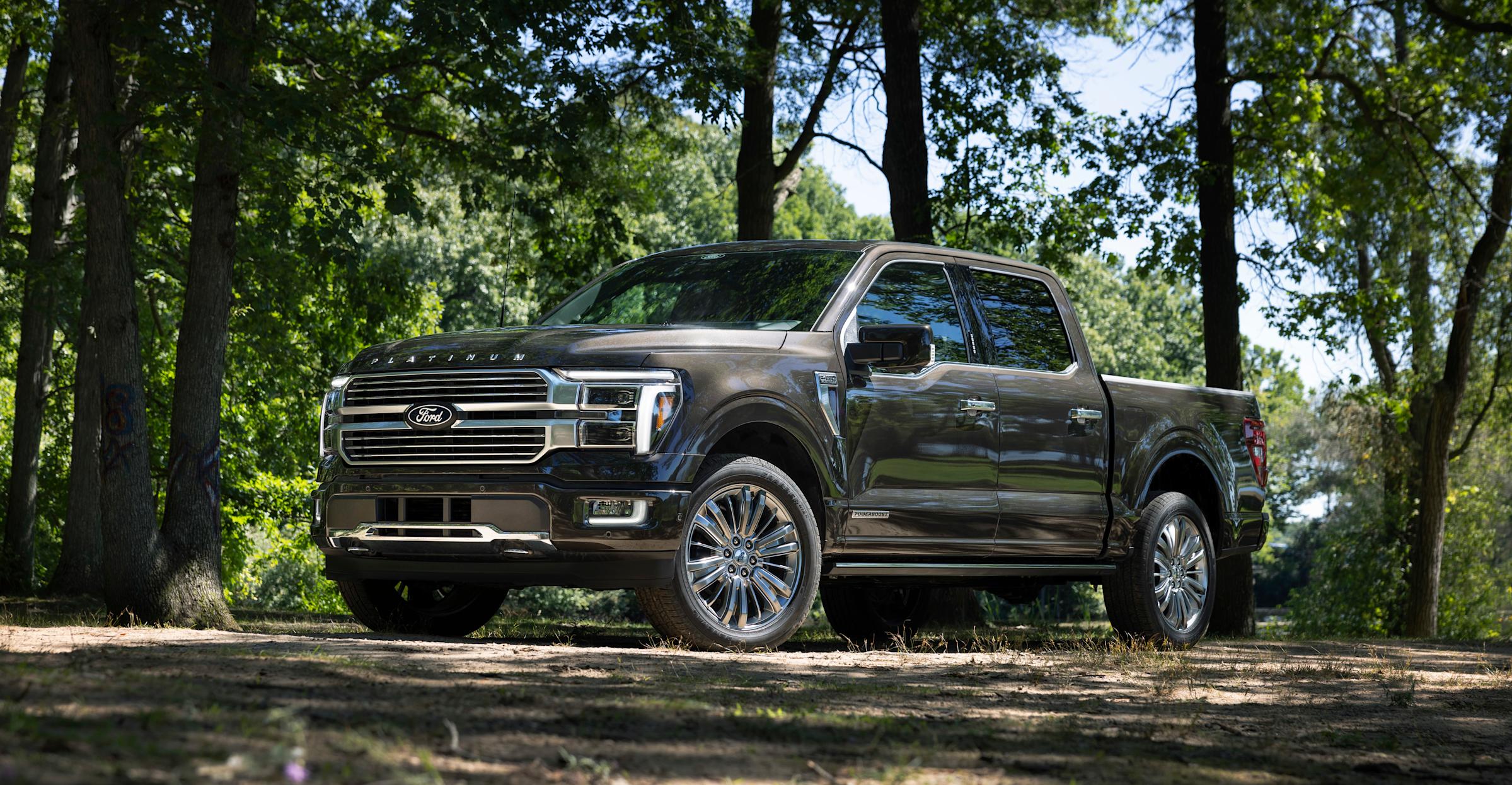
Manufacturers such as Ford Motor Company, General Motors, Toyota Motor Corporation, and Hyundai Motor Company have increased targeted incentive programs across select models. These initiatives are designed to align inventory flow with evolving consumer affordability dynamics.
Higher borrowing costs remain a key factor influencing purchasing decisions. Incentives are often structured to offset financing pressures through subsidized interest rates or bonus cash programs that reduce effective transaction prices.
Dealer inventory levels have improved substantially compared with earlier supply shortages. Greater availability allows consumers to compare trims and negotiate more actively, contributing to competitive pricing conditions within the retail environment.
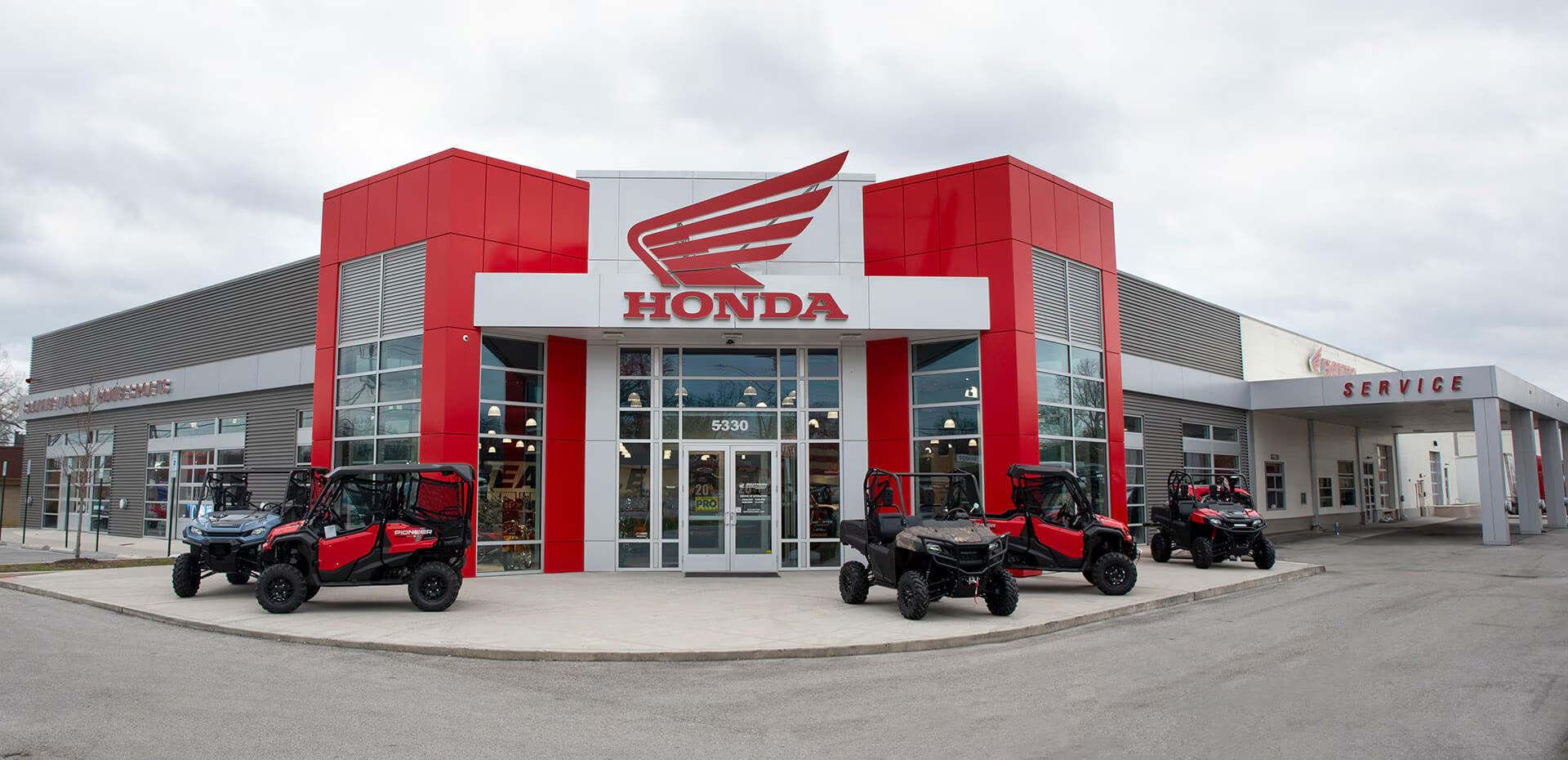
While front-end margins are moderating, many dealerships continue to rely on fixed operations to maintain overall profitability. Service departments, parts sales, and finance and insurance products provide important revenue streams that help offset reduced vehicle sales margins.
Wholesale vehicle pricing stability has supported predictable trade-in valuations, enabling smoother transaction cycles despite margin adjustments. Balanced used vehicle pricing helps sustain retail demand in both new and pre-owned segments.
Industry analysts characterize margin compression as a normalization rather than a structural downturn. Retail profitability is gradually returning to historical patterns following the unusually strong margins experienced during inventory-constrained periods.
As 2026 progresses, dealer profitability trends will likely depend on inventory discipline, incentive management, and consumer confidence levels. Within a competitive retail landscape, balanced pricing strategies remain essential to sustaining long-term dealership performance.