U.S. automakers are rebalancing their model mix toward hybrids in 2026 as demand patterns, cost pressures, and infrastructure realities reshape electrification strategies. After several years of aggressive EV expansion, manufacturers are placing renewed emphasis on hybrid vehicles that offer efficiency gains without relying on charging networks.
Executives across the industry say the shift reflects how consumers are actually buying. While interest in electric vehicles remains, adoption has proven uneven by region and income level. Hybrids continue to appeal to a broader audience by lowering fuel costs without requiring changes in driving habits or access to charging.
Automakers such as Ford, General Motors, and Toyota are all adjusting production plans to increase hybrid availability across SUVs, sedans, and pickup trucks. In many cases, hybrids are being positioned as core volume models rather than niche alternatives.
Cost considerations are central to the rebalancing. Hybrid systems generally require less capital investment than full EV platforms and rely on established supply chains. As incentives rise and pricing power softens, hybrids offer more predictable margins and lower financial risk for manufacturers.
Regulatory flexibility also plays a role. Hybrids allow automakers to make incremental emissions reductions across large portions of their fleets, helping meet compliance targets even as EV adoption progresses more slowly than expected. This approach spreads electrification benefits across millions of vehicles rather than concentrating them in smaller EV volumes.
Production planning is becoming more dynamic. Instead of committing to fixed EV output targets, automakers are adjusting model mix based on regional demand, inventory levels, and incentive effectiveness. Hybrids provide flexibility, allowing manufacturers to respond quickly without major factory retooling.
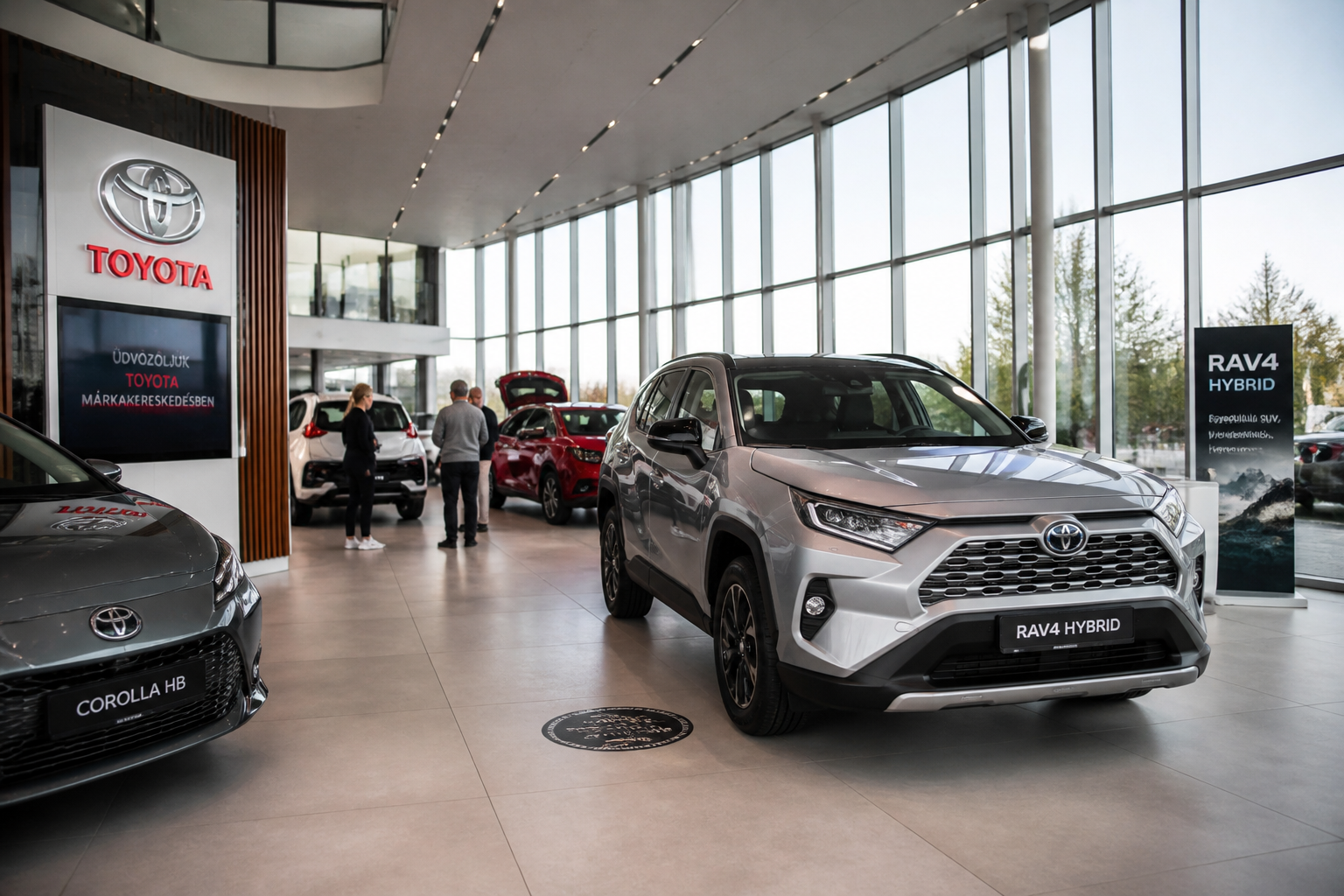
Dealers are welcoming the shift. Hybrid models tend to sell more consistently than EVs in many markets and often require less incentive support. For retailers, hybrids strike a balance between innovation and familiarity, making them easier to explain and position to customers.
The rebalancing does not signal a retreat from electrification. Automakers continue to invest in EV platforms, battery technology, and software. However, executives are increasingly clear that the transition will be multi layered rather than linear, with hybrids playing a sustained role well into the next decade.
Industry analysts describe the move as a correction rather than a reversal. Early EV strategies were built around optimistic adoption curves that have since moderated. Rebalancing toward hybrids allows automakers to maintain momentum while aligning production more closely with demand.
As 2026 unfolds, hybrids are emerging as a stabilizing force in the U.S. auto market. By rebalancing model mix toward vehicles that meet consumers where they are, automakers are prioritizing volume protection, profitability, and flexibility in a more cautious growth environment.