Electric vehicles have become a common sight in many large American cities, but beyond major metro areas, adoption is slowing sharply. While national sales figures still show growth, the pace of electric vehicle uptake outside urban centers is falling behind, exposing a widening geographic divide in the U.S. transition to electrification.
In 2025, total U.S. EV sales crossed the two million mark, accounting for roughly 9 to 10 percent of new vehicle purchases. That growth, however, remains heavily concentrated in a small number of states and metropolitan regions. California continues to dominate EV adoption, followed by urban hubs in states such as Washington, New York, and Colorado. Together, major metro areas account for a disproportionate share of electric vehicles on American roads.
Outside these regions, the picture looks very different. In many rural counties and smaller cities, EVs represent less than one percent of registered vehicles. In some parts of the Midwest, the Southeast, and the Great Plains, adoption rates remain negligible despite broader national momentum.
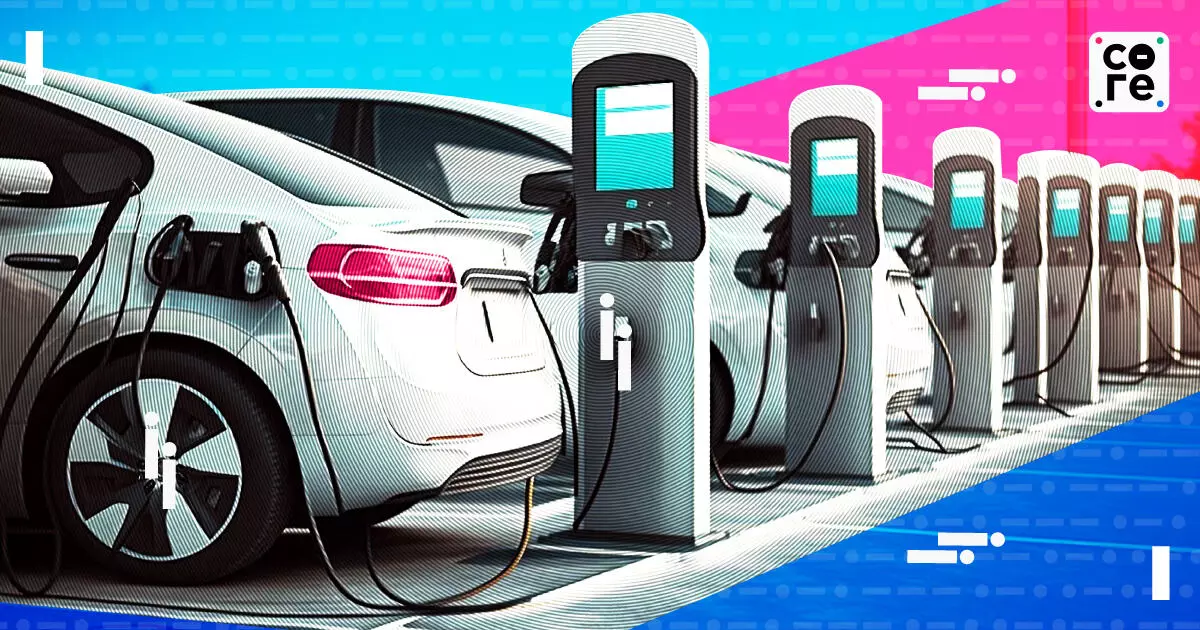
Infrastructure remains the most significant barrier. Public charging networks are dense in urban areas but sparse or nonexistent in rural regions. Many non metro counties have only a handful of public chargers, if any at all, making daily use and long distance travel impractical for potential EV owners. Without reliable charging access, consumers remain hesitant to switch from gasoline powered vehicles.
Cost is another major obstacle. Although EV prices have stabilized, electric vehicles still carry a higher upfront cost than comparable gas models. For buyers outside major cities, where incomes are often lower and vehicle usage tends to be higher, affordability concerns are amplified. Federal and state incentives have helped bridge the gap in some regions, but coverage remains inconsistent across the country.
Range anxiety also plays a larger role outside urban centers. Rural drivers often travel longer distances for work, healthcare, and essential services. Limited charging availability along highways and in small towns increases concern about being stranded, even as vehicle range improves on paper.
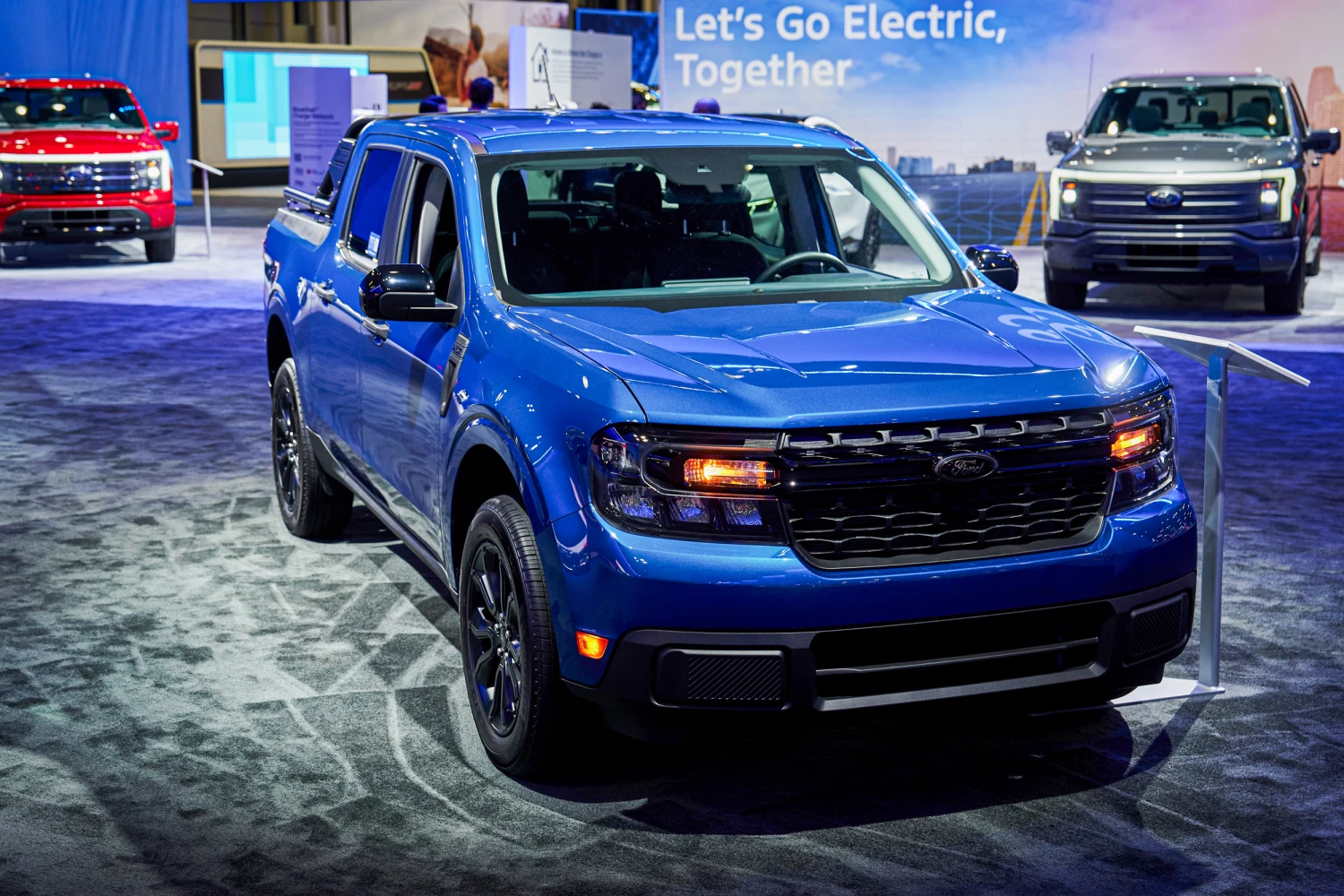
Cultural and practical factors further slow adoption. Pickup trucks and large SUVs dominate vehicle preferences outside cities, particularly in farming and industrial regions. While electric options exist in these segments, many buyers remain skeptical about towing capability, durability, and long term reliability compared with traditional internal combustion models.
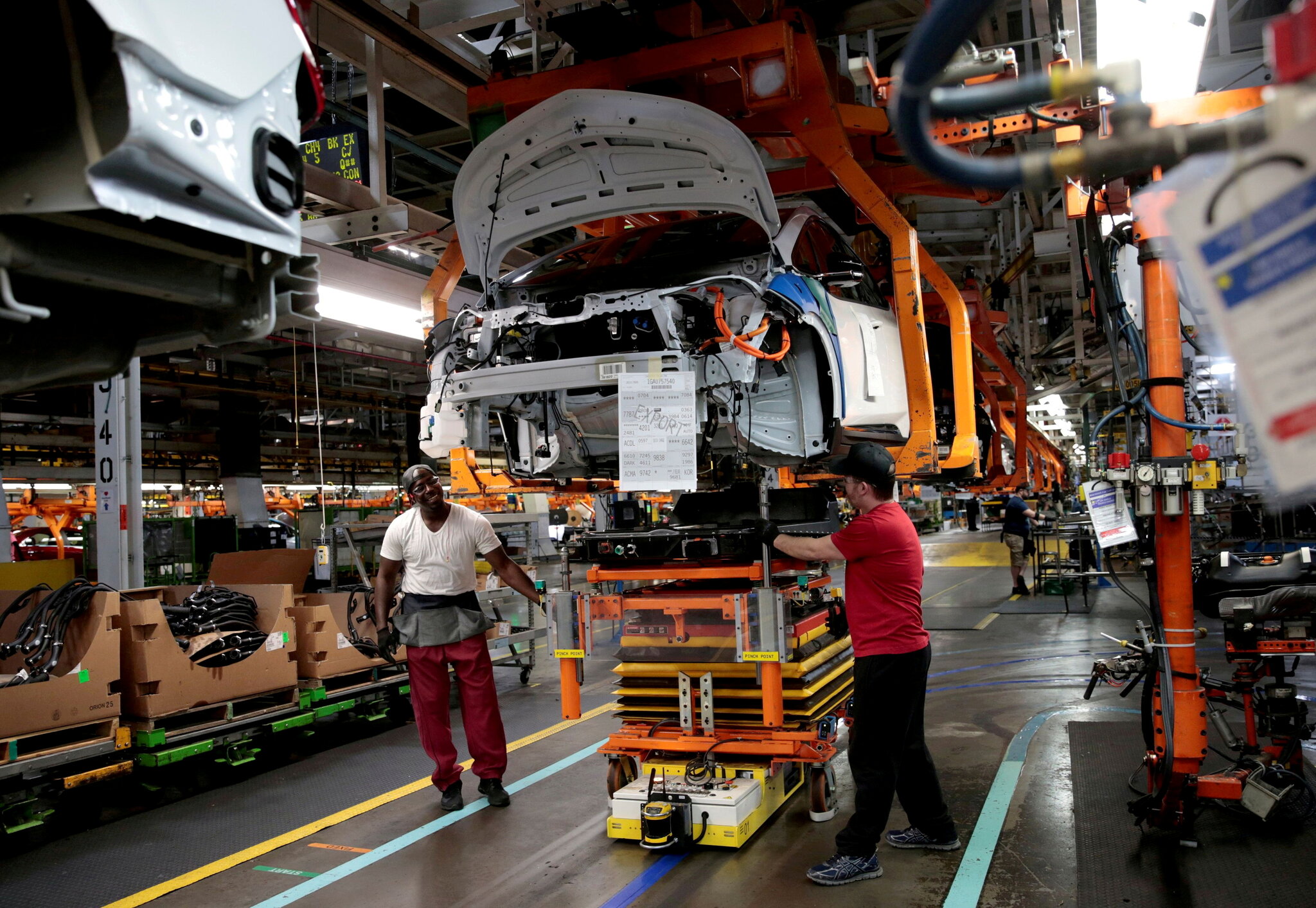
Automakers are beginning to acknowledge the challenge. Several manufacturers have slowed EV rollout plans in favor of hybrids and extended range vehicles that better match non urban driving needs. Industry analysts say this shift reflects a growing recognition that electrification will not advance evenly across all regions.
Policy makers face a similar reckoning. National EV targets rely heavily on broad based adoption, yet the current infrastructure buildout remains uneven. Without targeted investment in rural charging networks and region specific incentives, the adoption gap is likely to persist.
For now, the data makes one reality clear. Electric vehicles are gaining traction in cities, but outside major metro areas, the transition is moving far more slowly. Until affordability, infrastructure, and practicality concerns are addressed, widespread EV adoption across the entire U.S. remains an unfinished journey