Incentive activity across the U.S. full-size SUV segment is gaining momentum in early 2026 as dealer inventory levels continue to expand. Retailers in multiple regions report higher promotional spending aimed at balancing supply with steady but more selective consumer demand.
Inventory accumulation reflects improved production stability and normalized supply chains compared with prior years. As availability rises, manufacturers are adjusting pricing strategies to maintain transaction flow without resorting to abrupt discounting.
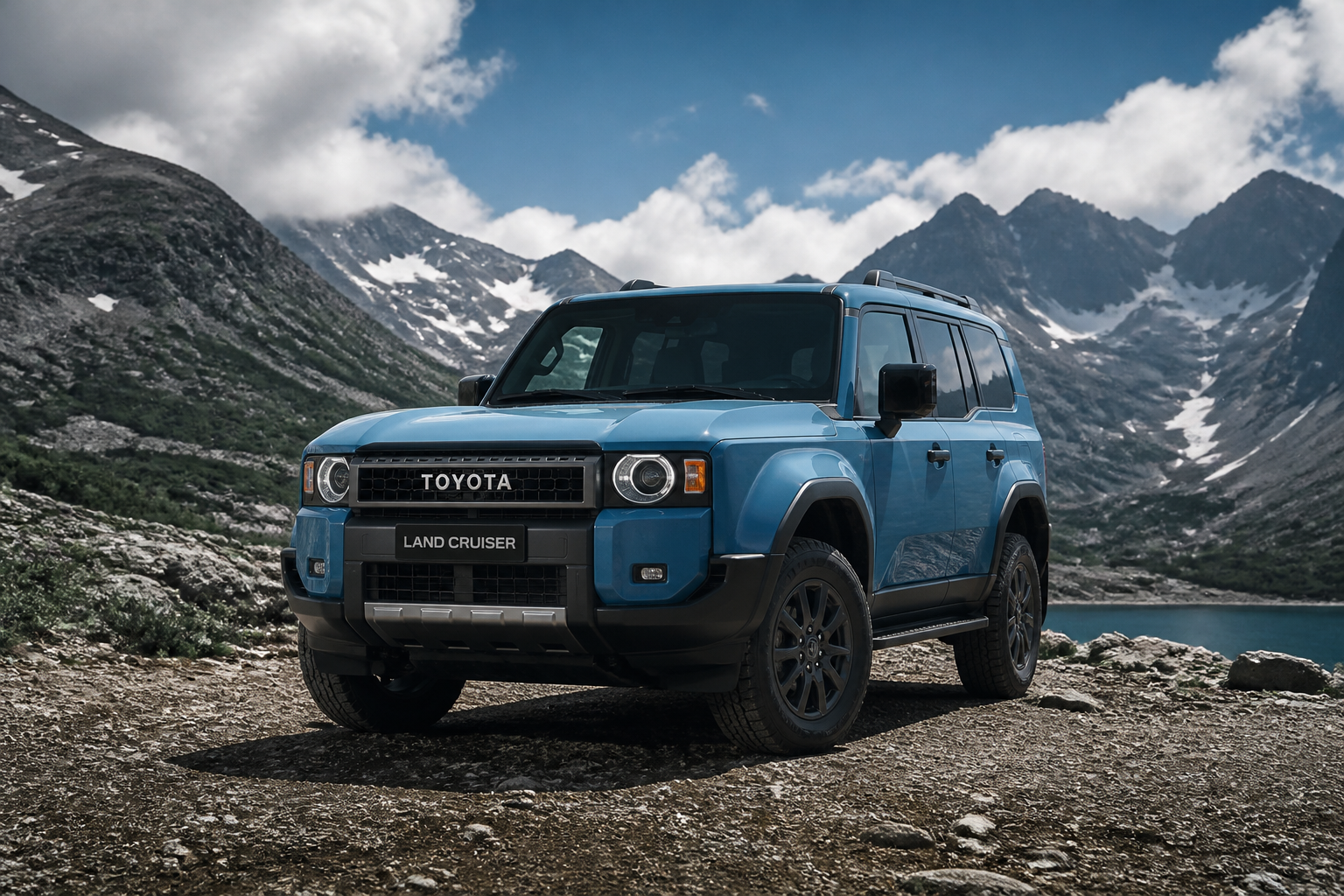
Full-size SUV models from brands such as Ford Motor Company, General Motors, and Toyota Motor Corporation represent a substantial share of incentive growth. Flagship nameplates including the Ford Expedition, Chevrolet Tahoe, GMC Yukon, Toyota Sequoia, and Jeep Wagoneer are seeing targeted offers ranging from low APR financing to bonus cash allowances.
Dealer feedback suggests that incentives are being calibrated to preserve residual values while stimulating showroom traffic. Rather than across-the-board price reductions, many programs are structured as limited-time financing support or loyalty-based rebates.
Consumer behavior in the segment remains shaped by financing conditions. Elevated interest rates compared with previous cycles continue to influence affordability calculations, particularly for higher-priced trims. Incentives help offset monthly payment increases, allowing buyers to maintain preferred vehicle specifications.
Fleet demand and commercial purchasing activity have also contributed to inventory turnover dynamics. However, retail buyers remain the primary focus of current promotional efforts, especially as manufacturers prepare for mid-year model transitions.
Wholesale market indicators show relative stability in full-size SUV valuations. Predictable used-vehicle pricing supports confidence in trade-in appraisals, enabling smoother transaction cycles between new and pre-owned inventory.
Seasonal factors may further support incentive-driven activity. Spring and early summer traditionally mark stronger demand periods for large SUVs, particularly among families planning extended travel or towing-heavy usage.
Electric and hybrid variants remain limited within the full-size SUV category, leaving internal combustion powertrains dominant in both new and used supply channels. As a result, incentive strategies continue to center on conventional gasoline-powered configurations.
Industry analysts characterize rising incentive levels as a strategic adjustment to balanced supply conditions rather than a signal of demand deterioration. Manufacturers appear focused on sustaining volume while protecting long-term brand positioning.
As 2026 progresses, the trajectory of full-size SUV incentives will likely depend on retail absorption rates, financing accessibility, and overall economic confidence. In a segment defined by high transaction values and strong brand loyalty, disciplined promotional management remains central to maintaining market stability.