U.S. automakers are increasing emphasis on hybrid powertrain integration as part of 2027 model planning, reflecting a balanced approach to electrification amid evolving consumer demand and infrastructure readiness. Hybrid technology is emerging as a practical bridge between conventional internal combustion engines and fully electric vehicles.
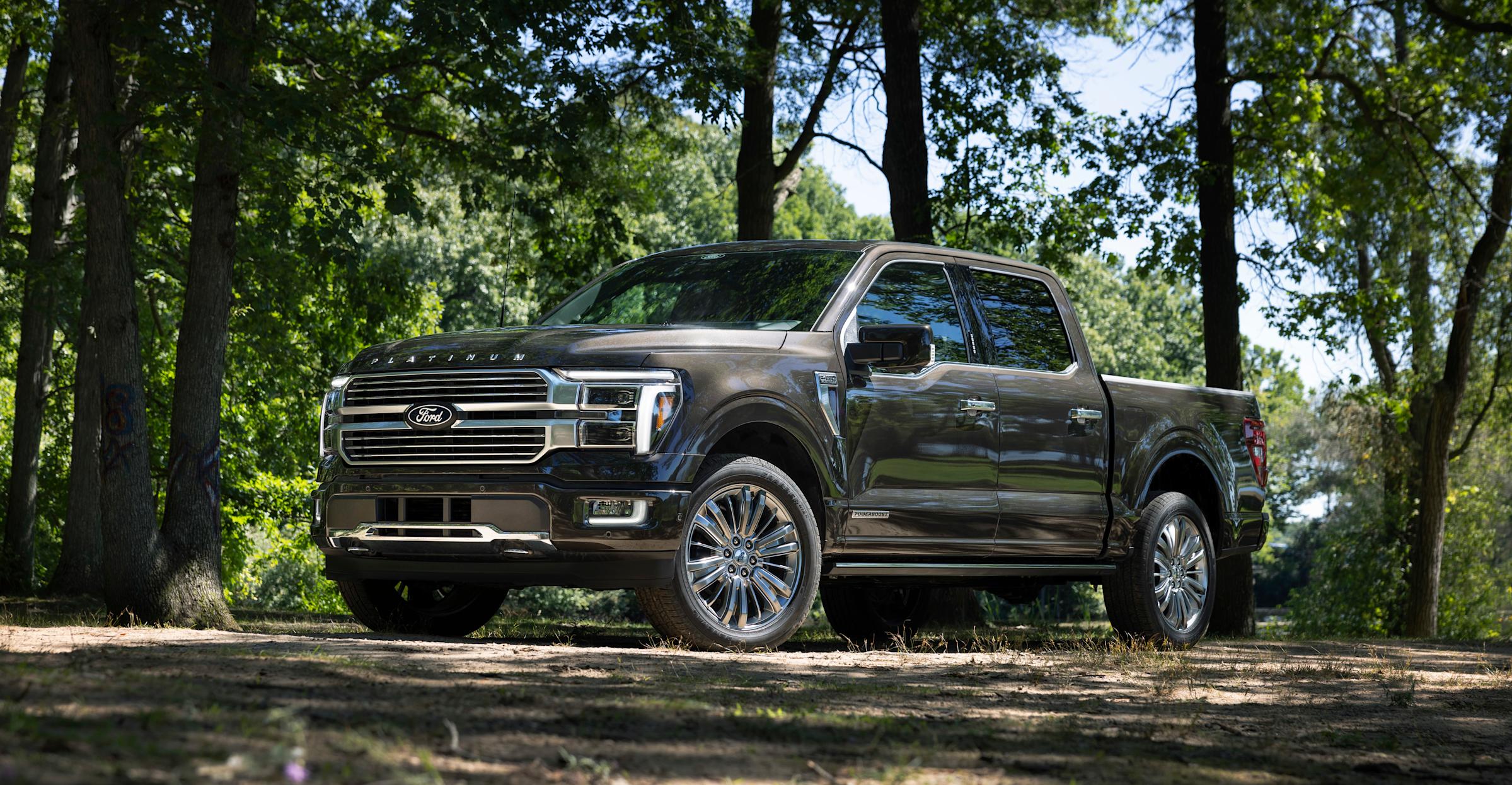
Manufacturers including Ford Motor Company, General Motors, and Stellantis are expanding hybrid options across multiple vehicle segments, including crossovers, trucks, and midsize passenger vehicles. These additions aim to provide measurable fuel efficiency improvements without requiring charging infrastructure adoption.
Hybrid powertrains combine internal combustion engines with electric motor assistance, improving fuel economy and reducing emissions during city driving conditions. For many consumers, hybrids offer electrification benefits while preserving familiar refueling and ownership patterns.
Product planning teams are aligning hybrid development with regulatory efficiency requirements and evolving fleet emission targets. Expanding hybrid mix ratios allows automakers to progress toward compliance benchmarks while maintaining broad vehicle portfolios.
Consumer purchasing behavior also supports hybrid expansion. Buyers evaluating vehicle replacement options often view hybrids as a lower-risk entry point into electrified mobility compared with fully battery-electric vehicles.
Dealer feedback indicates steady showroom interest in hybrid configurations, particularly in segments where fuel economy and operating cost considerations remain influential purchase drivers.
Manufacturing flexibility plays a role in the strategy. Hybrid powertrains can often be integrated into existing vehicle platforms with relatively moderate engineering adjustments compared with fully electric architectures.
Competitive dynamics across the global auto market further reinforce the shift. Multiple international manufacturers have successfully expanded hybrid offerings, encouraging U.S. automakers to strengthen similar product pathways.
Industry analysts interpret the expansion of hybrid options as a pragmatic recalibration rather than a retreat from long-term electrification commitments. Hybrid systems enable automakers to maintain momentum toward efficiency targets while adapting to real-world adoption patterns.
As 2027 model planning progresses, hybrid availability will likely increase across multiple vehicle categories. Within an automotive landscape shaped by technological transition and regulatory evolution, hybrid powertrains remain a strategically flexible solution.