Key Facts
- US dealers are successfully building inventory levels, contributing to price improvements in the used car market
- Rising inventory typically results in improved buyer negotiating power and reduced dealer premiums
- The shift marks the end of tight inventory conditions that characterized the post-pandemic automotive market
- Market changes are reshaping dealer profit structures and affordability for consumers
Used car prices across the United States are declining as dealers rebuild inventory levels following years of pandemic-related shortages, according to market data tracked by Kelley Blue Book. The inventory recovery marks a fundamental reset in the automotive market, with buyers regaining negotiating power and dealer profit margins beginning to compress.
Inventory Levels Drive Price Corrections
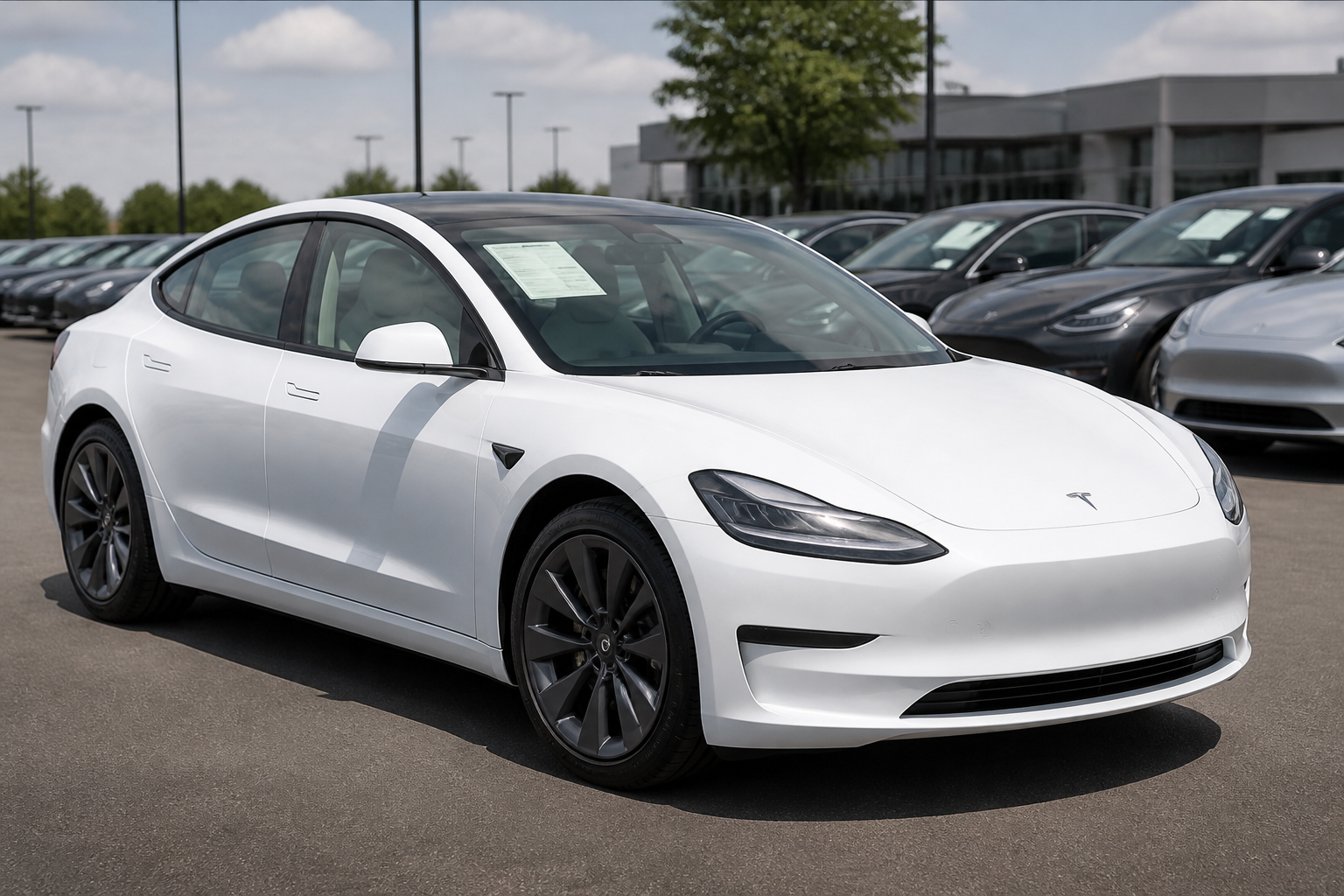
Dealers are building inventory levels, which is contributing to price improvements in the used car market, according to Kelley Blue Book, a major automotive valuation authority covering US market trends. The increase in available vehicles represents a significant departure from the supply constraints that defined the automotive retail environment since 2020.
The correlation between inventory availability and pricing is straightforward: as dealer lots fill with more vehicles, competition among sellers increases while buyer urgency decreases. This dynamic naturally exerts downward pressure on transaction prices and reduces the premium pricing that became standard during the shortage years.
End of Post-Pandemic Market Dynamics
This marks a shift from the tight inventory conditions that characterized the post-pandemic automotive market, when semiconductor shortages, supply chain disruptions, and production shutdowns created an unprecedented seller’s market. During that period, buyers frequently paid above sticker price for new vehicles and faced inflated valuations in the used market, with limited room for negotiation.
The normalization of inventory levels signals that supply chains have largely recovered and production has stabilized. Manufacturers have resumed normal output schedules, and the vehicles that were delayed during the shortage years have now entered the market, contributing to the inventory buildup at dealerships.
Shifting Power Dynamics in Vehicle Transactions
Rising inventory levels are typically associated with improved buyer negotiating power and reduced dealer premiums. When dealers maintain higher stock levels, each individual vehicle becomes less critical to monthly sales targets, creating incentive to negotiate rather than wait for a buyer willing to pay full asking price.
The compression of dealer margins represents a return to pre-pandemic norms, when competition among sellers and healthy inventory levels created a more balanced marketplace. For dealers, this means adapting business models that relied on high per-unit profits back toward higher-volume, lower-margin operations.
What This Means for Buyers
The inventory recovery fundamentally improves the position of used car buyers across multiple dimensions. First, increased selection allows consumers to be more selective about specific features, colors, mileage, and condition rather than accepting whatever limited options are available. Second, the ability to negotiate effectively returns, with dealers more willing to reduce prices, include additional services, or adjust financing terms to close sales.
Timing now favors patient buyers who can compare multiple vehicles and wait for better deals, reversing the urgency that characterized recent years when desirable vehicles sold within days of listing. The improved affordability also benefits buyers who were priced out of the market during the shortage period, potentially expanding access to reliable transportation.
For buyers considering a purchase, the current market conditions suggest waiting may continue to yield benefits as inventory builds further. However, those with immediate transportation needs can now negotiate more effectively than at any point since 2019, particularly on vehicles that have been in dealer inventory for extended periods.
Market Outlook and Regional Variations
While the inventory recovery is primarily documented in the US market, similar patterns are emerging in Canada and the United Kingdom as global supply chains normalize. The pace of price corrections may vary by vehicle segment, with popular trucks and SUVs potentially maintaining stronger pricing than sedans due to sustained demand.
The transition period presents both opportunities and risks for market participants. Dealers must carefully manage inventory levels to avoid overstock situations that could force deeper discounts, while buyers benefit from shopping during this rebalancing phase when competition among sellers remains elevated.
The fundamental restructuring of the used car market represents one of the most significant shifts in automotive retail in years, with implications extending beyond pricing to financing availability, trade-in values, and the overall accessibility of vehicle ownership for consumers across North America and beyond.