Key Facts
- VW Group will reduce its roughly 150 model lines by half while cutting equipment options by 75% by 2030
- China sales cratered 36.6% in Q2 2026; operating profit fell from €19.1 billion (2024) to €8.9 billion (2025)
- Production capacity targeted at 9 million vehicles annually, down from current 10 million and peak 12 million
- Reports suggest up to 100,000 job cuts and closure of four German plants under consideration
Volkswagen Group announced on July 9, 2026, it will cut its vehicle lineup by up to 50% by 2030 while slashing equipment configuration options by up to 75%, marking the automotive industry‘s most dramatic restructuring in modern history. The decision comes as the German automaker’s China sales collapsed 36.6% in Q2 2026 and operating profit plummeted from €19.1 billion in 2024 to just €8.9 billion in 2025.
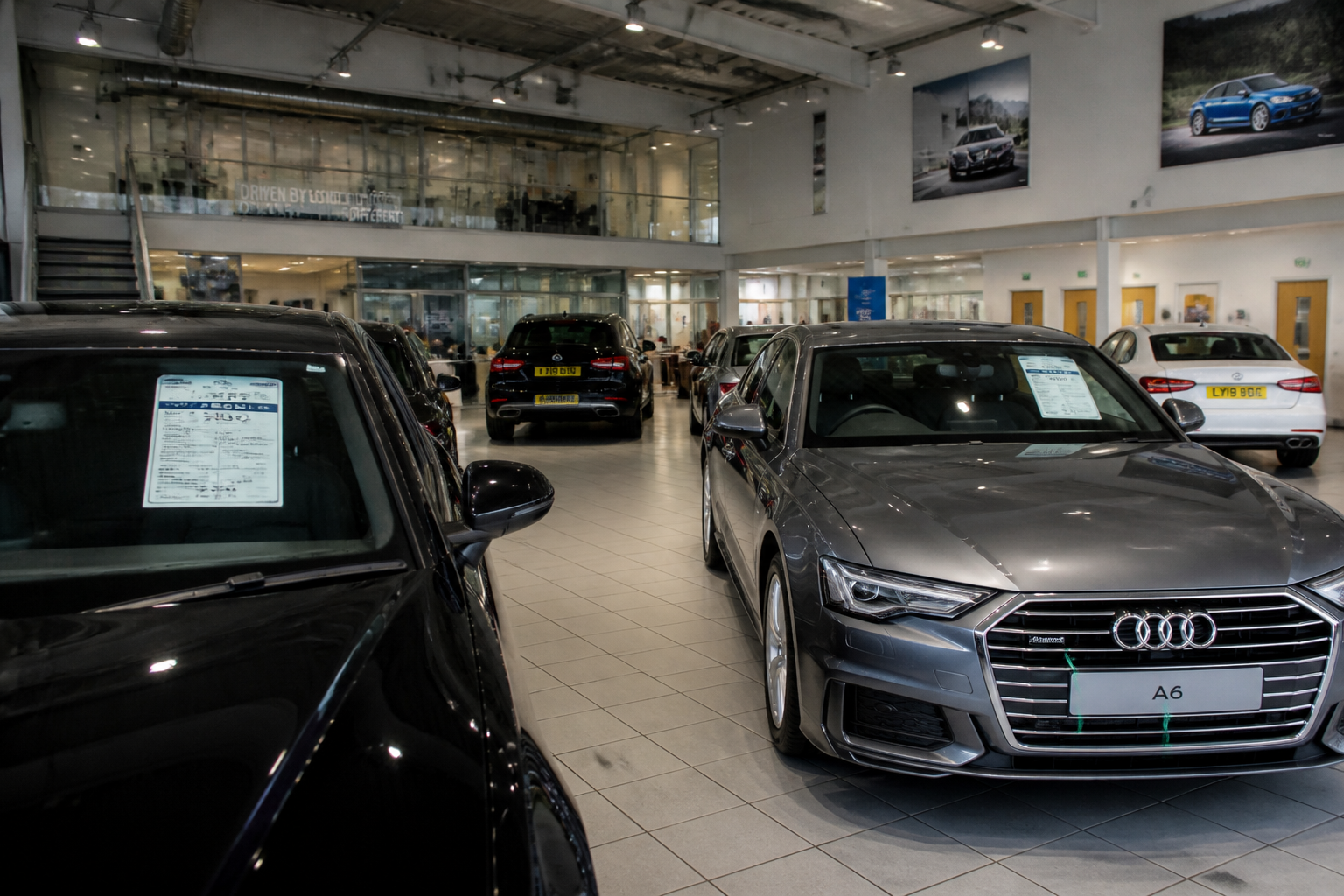
The restructuring will pare down VW Group’s current portfolio of roughly 150 model lines across Volkswagen, Audi, Porsche, Skoda, SEAT, Cupra, Bentley, and Lamborghini brands to approximately 75 models. The scale of the cuts represents a fundamental acknowledgment that the European automaker’s sprawling product matrix—built over decades of market dominance—is no longer sustainable in an era dominated by Chinese EV competitors and weakening demand.
The China Collapse Driving the Crisis
VW Group’s crisis stems directly from its catastrophic collapse in China, historically its largest and most profitable market. The company’s 36.6% sales plunge in Q2 2026 reflects a brutal reality: Chinese consumers have abandoned traditional European brands in favor of domestic manufacturers like BYD, NIO, and Geely, which offer advanced EVs at significantly lower prices with faster technology updates.
Global deliveries dropped 8.6% overall, while first-quarter net profit fell 28% to €1.56 billion. Despite generating €321.9 billion in sales revenue in 2025, the company’s operating margin has been crushed by Chinese competition, tariffs, and unexpectedly weak European and North American EV demand.
The restructuring targets 9 million vehicles in annual production capacity, down from the current 10 million and a peak capacity of 12 million units. This right-sizing acknowledges that VW Group overbuilt its infrastructure during the optimistic expansion years and must now dramatically contract.
Which Models Are at Risk
While VW Group has not released a specific hit list, industry analysts suggest the cuts will focus on preserving the most profitable market segments while eliminating slow-sellers and niche products. High-volume crossovers like the VW Atlas, Porsche Cayenne, and Audi Q5 are considered safe due to strong profit margins and consistent demand in North America and Europe.
At risk are slower-selling EVs including the VW ID.Buzz—the retro-styled electric van that has struggled to gain traction outside enthusiast circles—along with several Audi EVs that have failed to meet sales targets. Niche models across the portfolio, including low-volume sedans, wagons, and specialty variants that proliferated during VW’s expansion era, are prime candidates for discontinuation.
The 75% reduction in equipment configuration options represents an equally dramatic shift. For decades, German automakers distinguished themselves by offering buyers nearly limitless combinations of trim levels, packages, colors, and individual options. This approach created manufacturing complexity and inventory nightmares while delivering diminishing returns as buyers increasingly gravitated toward pre-configured popular packages.
The Toyota Model: Leaner and More Profitable
VW Group’s restructuring explicitly acknowledges what Toyota has demonstrated for decades: a leaner, more focused product portfolio with streamlined options generates higher profits and greater manufacturing efficiency. Toyota has consistently maintained fewer model lines than VW Group while achieving superior profitability and faster response to market shifts.
The Japanese automaker’s disciplined approach to product development—launching new models only when clear market demand exists and limiting trim complexity—has allowed it to avoid the bloat now forcing VW’s painful contraction. Toyota’s operating margins have remained robust even as European manufacturers struggled, demonstrating that product portfolio discipline is not merely cost-cutting but fundamental competitive strategy.
Job Cuts and Factory Closures
Reports suggest VW Group is weighing up to 100,000 job cuts and the closure of four German plants, though the company has not officially confirmed these specific numbers beyond previously announced plans for 50,000 cuts. The potential scale of workforce reduction would represent one of the largest industrial layoffs in European history and has already triggered intense opposition from German labor unions and government officials.
The factory closures would be particularly symbolic, marking the first time VW has shuttered domestic German plants in its 87-year history and signaling the end of Germany’s guarantee of automotive manufacturing supremacy.
What This Means for Buyers
For consumers in the US, UK, Canada, Australia, and Europe, VW Group’s restructuring will fundamentally change the car-buying experience. Buyers accustomed to configuring vehicles with dozens of options—choosing individual colors, wheel designs, interior materials, and technology packages—will instead face simplified lineups with fewer pre-packaged trim levels, similar to how Japanese and American manufacturers have operated for years.
Discontinued models will create used-market scarcity for certain nameplates, potentially boosting resale values for well-maintained examples of eliminated vehicles. However, parts availability and dealer service support may become concerns for orphaned models as VW Group consolidates its dealer network and focuses resources on remaining products.
The restructuring also signals that buyers seeking niche products—unusual body styles, low-volume powertrains, or specialized variants—will find fewer options across the entire industry as other manufacturers likely follow VW’s lead in eliminating marginal models that cannot justify their development and manufacturing costs.
Most significantly, the crisis demonstrates that brand heritage and engineering reputation no longer guarantee success in the rapidly evolving global automotive market. Chinese manufacturers have fundamentally disrupted the competitive hierarchy, and even Europe’s largest automaker must dramatically reinvent itself to survive the transition.