Volkswagen is skipping the 2026 model year entirely due to slow sales and dealer lots stuffed with unsold vans. The company insists the beloved EV will return for 2027, but the situation doesn’t inspire confidence.
Volkswagen has confirmed it will not produce any 2026 model year ID. Buzz vans for the U.S. market, pausing production for roughly six months while dealers work through a glut of unsold 2025 models. The company insists this isn’t a cancellation, but when an automaker skips an entire model year of a vehicle that’s only been on sale for about a year, questions about its future are inevitable.
By the end of the third quarter, Volkswagen had sold 4,934 ID. Buzz vans in the United States. According to data from consulting firm Motor Intelligence, approximately 2,600 unsold vans remain on dealer lots. At current sales rates, that inventory represents roughly 200 days of supply.
In a statement, Volkswagen Group of America president and CEO Kjell Gruner tried to put a positive spin on the situation. “The ID Buzz remains an important part of the Volkswagen portfolio,” Gruner said, “and I want to be clear: We are not canceling this product in the U.S. market. To optimize inventory, we’re leveraging 2025 models to support our dealers through mid-year, and we’re excited to welcome model year 2027 in 2026.”
A VW spokesperson provided additional context. “The ID Buzz continues to serve as an important halo product for the Volkswagen brand, and safeguarding its market presence remains a top priority. Following a careful assessment of current EV market conditions, we have made the strategic decision not to move forward with MY26 ID Buzz production for the U.S. market.”
The ID. Buzz earned generally positive reviews from automotive journalists, with outlets praising its exceptional comfort, massive cabin, generous cargo capacity, and retro styling. However, two major issues have plagued sales from the start.
The ID. Buzz starts at around $61,545, roughly the same as a fully loaded Toyota Sienna Platinum hybrid. That’s a significant sum for a vehicle competing against minivans that offer more practical features for families. The ID. Buzz also lost eligibility for the $7,500 federal EV tax credit at the end of September, making an already difficult pricing situation worse.
Official EPA estimates put the ID. Buzz’s range at 231 to 234 miles depending on configuration. In real-world highway testing at a constant 70 mph, independent outlets found that translates to approximately 205 to 228 miles before the battery drops from 100 percent to 5 percent. For a vehicle designed to evoke memories of cross-country road trips in a classic VW Bus, that range is underwhelming.
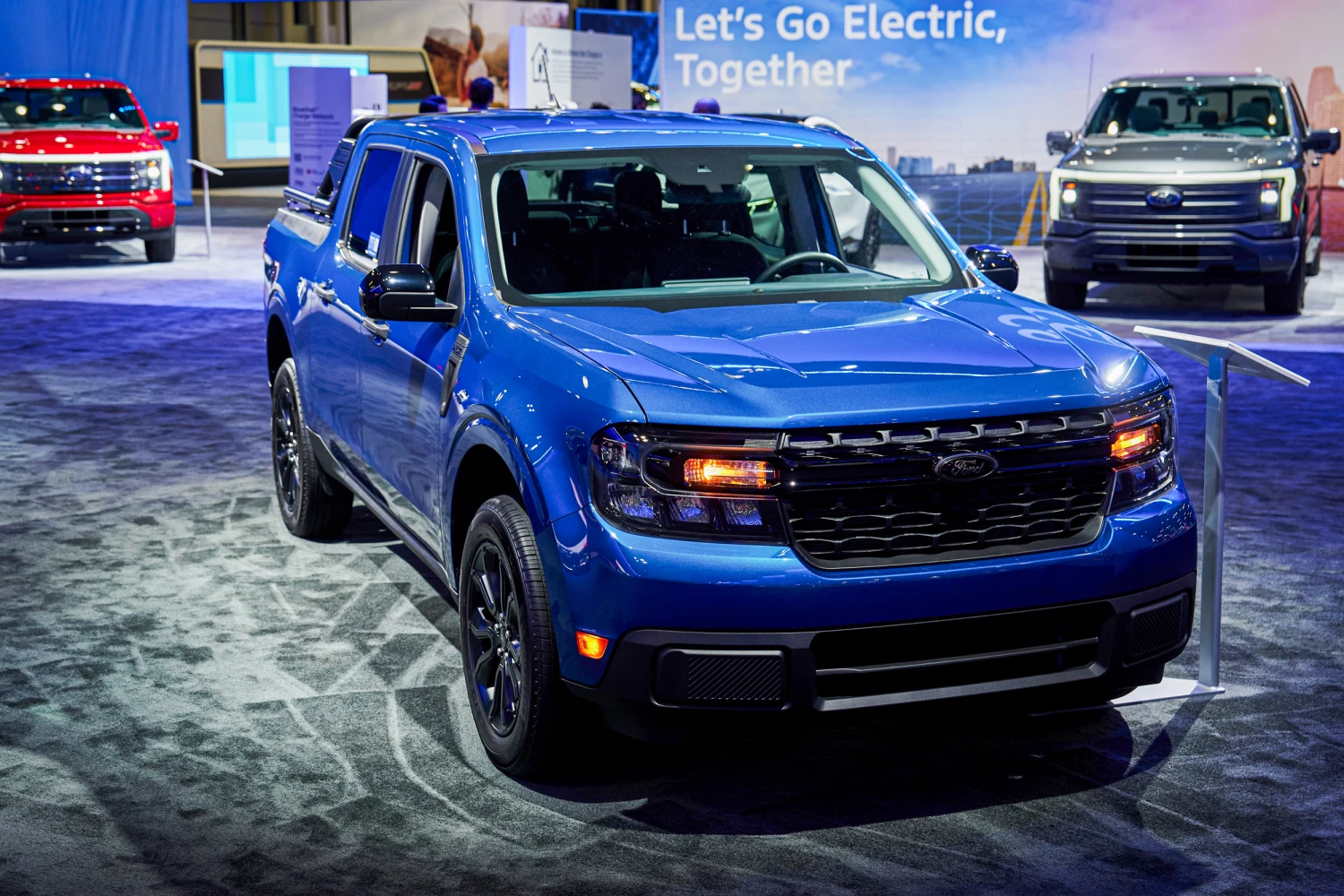
The ID. Buzz’s troubles aren’t happening in isolation. Across the industry, automakers are pulling back on electric vehicles as sales growth has slowed and inventory has piled up. Ford has slowed F-150 Lightning production, Nissan has scaled back Ariya plans, and Acura has pulled back on ZDX volumes. Consumers remain hesitant about range limitations, charging infrastructure, and pricing that often exceeds comparable gasoline or hybrid alternatives.
Volkswagen is adamant that the ID. Buzz isn’t being cancelled, just paused. The company says production will resume for the 2027 model year. However, when an automaker skips a model year, it typically means either a major overhaul is coming or there’s so much unsold inventory that existing stock will fill whatever orders arrive during that period.
Given that the ID. Buzz just launched, a major overhaul seems unlikely. The more probable explanation is that VW misjudged American demand for the vehicle and needs time to align production with actual buyer interest.
The original VW Microbus is one of the most beloved vehicles in automotive history, an icon of freedom, adventure, and counterculture cool. Recreating that magic in electric form was always going to be challenging, especially at a price point north of $60,000 with range that doesn’t quite support the road-trip fantasies the design evokes.
For now, dealers will continue selling 2025 ID. Buzz vans through mid-2026, working to clear the approximately 2,600 units currently sitting on lots. VW says the 2027 model year will arrive sometime in 2026, though specific timing remains unclear. The company may use this pause to address the range and pricing concerns that have hampered sales, or it may simply restart production of essentially the same vehicle and hope market conditions improve.
Volkswagen has not announced specific updates or technical changes for the 2027 model year.