The rumble of supercharged HEMI V8s has officially gone silent at Stellantis’ Brampton Assembly Plant in Ontario. After a production run spanning five decades and two generations of muscle car glory, the Dodge Challenger and Charger have rolled off the assembly line for the final time, marking the end of an era for American performance vehicles.
The last vehicles produced were a pitch-black Challenger SRT Demon 170 and a destroyer grey Charger SRT Hellcat Widebody, both destined for the company’s heritage collection rather than customer driveways. It’s a fitting sendoff for nameplates that defined modern muscle car culture and kept V8 performance alive while competitors pivoted to turbocharged four-cylinders.
The Numbers Behind the Legacy
Since the modern Challenger’s 2008 debut and the Charger’s 2006 resurrection, Dodge moved serious metal. Combined sales exceeded 2.1 million units across North America, with the Challenger becoming the best-selling muscle car for 11 consecutive years before production ceased.
The performance credentials speak louder than sales figures:
- The Demon 170 delivered 1,025 horsepower on E85 fuel, making it the most powerful factory muscle car ever built
- Hellcat variants pumped out between 717 and 807 horsepower, numbers previously reserved for exotic supercars
- Quarter-mile times dipped below 9 seconds with the Demon 170, besting most dedicated drag racing machines
- Over 30 different trim levels offered everything from budget-friendly SXT models to track-focused variants
What Replaces the Dodge Challenger and Charger?
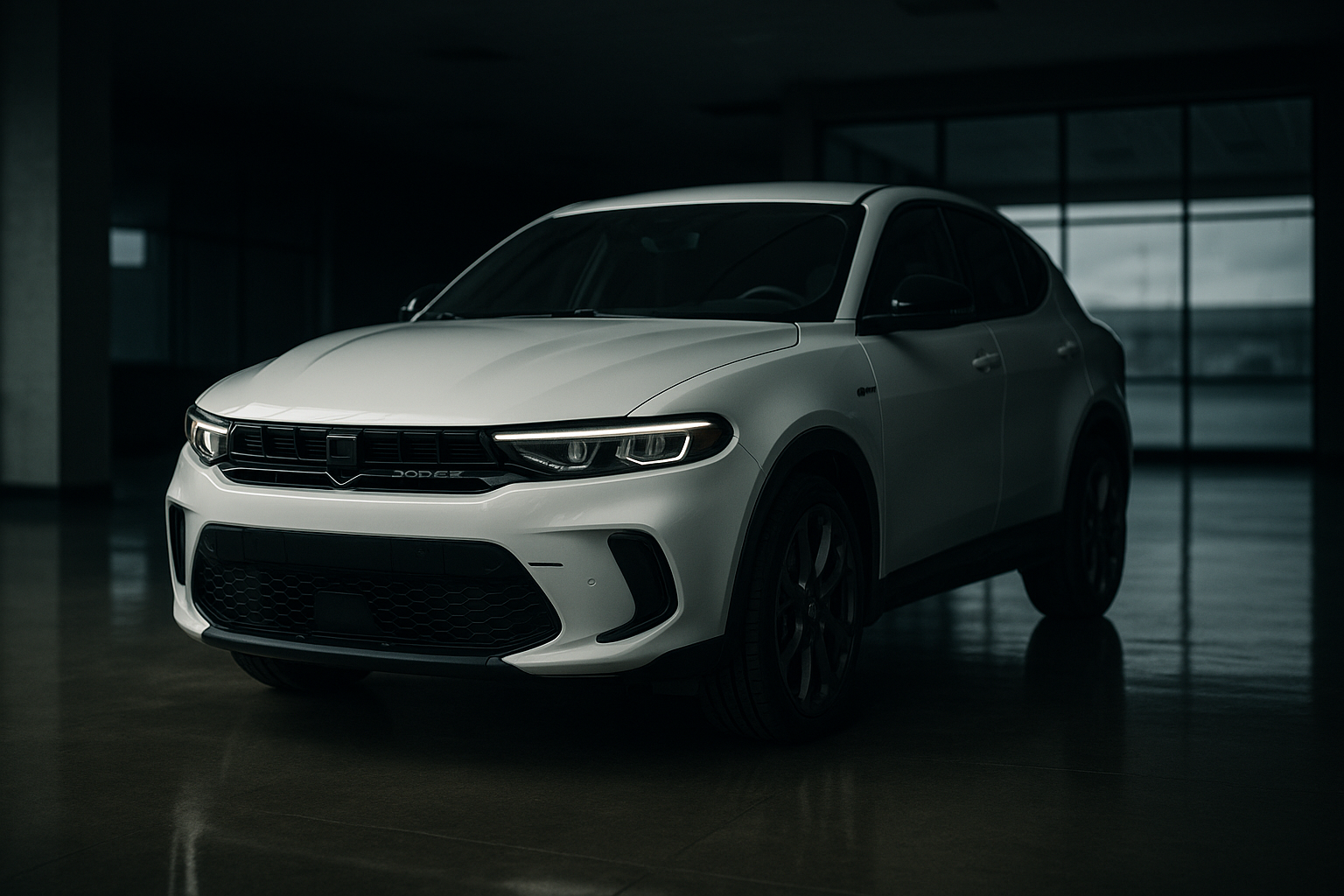
Stellantis isn’t abandoning performance, just radically redefining it. The all-new 2024 Dodge Charger Daytona has already been revealed as a two-door electric muscle car featuring the brand’s “Fratzonic Chambered Exhaust” system—essentially an amplified electric motor sound designed to replicate V8 theatrics.
Specifications for the electric Charger include a projected 670 horsepower in top Banshee trim, a claimed sub-3-second 0-60 mph time, and PowerShot boost function adding temporary output for overtaking. Dodge promises the weight distribution and handling dynamics will surpass the outgoing V8 models, though enthusiasts remain skeptical.
The Hurricane Six Alternative
For those unwilling to go full electric, Dodge confirmed a twin-turbocharged 3.0-liter inline-six Hurricane engine will also power Charger variants. This forced-induction powerplant generates either 420 or 550 horsepower depending on tune, with torque figures exceeding naturally aspirated HEMI V8s.
The high-output Hurricane six delivers 475 lb-ft of torque—matching the old 392 HEMI while improving fuel economy by approximately 15 percent. It’s advanced, efficient, and powerful, but it’s not a V8, which matters deeply to the core Dodge customer base.
Market Implications and Collector Value
The Challenger and Charger production end arrives as the broader automotive industry accelerates its electric transition. These models represented the last mainstream American V8 performance cars available at accessible price points, with base Challenger R/T models starting under $35,000.
Collector interest has already spiked. Final-year Demon 170 models commanded $150,000-plus markups at dealers before production ended, while low-mileage Hellcat variants are appreciating rather than depreciating. Industry analysts predict certain special editions—particularly Final Edition models, Demon variants, and first-year modern Challengers—will become significant collectibles within the next decade.
The Enthusiast Reaction
Online forums and social media erupted with nostalgia and frustration as the final vehicles left the factory. Many enthusiasts view the shift away from V8 power as Dodge abandoning its identity, while others acknowledge regulatory realities and evolving performance metrics favor electrification.
Dodge sold over 50,000 Challengers in 2023 alone despite the model’s ancient platform dating to the mid-2000s, proving demand for traditional muscle cars remained strong until the very end.
What’s Next for American Muscle?
With Challenger and Charger V8 production complete, only the Chevrolet Camaro and Ford Mustang remain as traditional American muscle cars—and the Camaro faces its own uncertain future with production ending in early 2024.
The new electric and Hurricane-powered Chargers arrive at dealerships in spring 2024, where they’ll face the market’s judgment. Dodge’s challenge is convincing loyalists that muscle car spirit transcends engine configuration, a tough sell to buyers who’ve spent years celebrating specifically supercharged V8 excess.
One thing’s certain: the automotive landscape just got considerably quieter, and a uniquely American expression of performance has reached its conclusion. Whether the electric future can replicate the visceral, uncomplicated thrill of 700-plus horsepower V8s remains the industry’s biggest question.