Key Facts
- Average new car transaction price reached a record $51,109
- New vehicle inventory jumped by 100,000 units to reach 3.1 million vehicles nationwide
- Stock of less expensive models is growing as part of the inventory increase
- Higher inventory levels may strengthen buyer negotiating power at dealerships
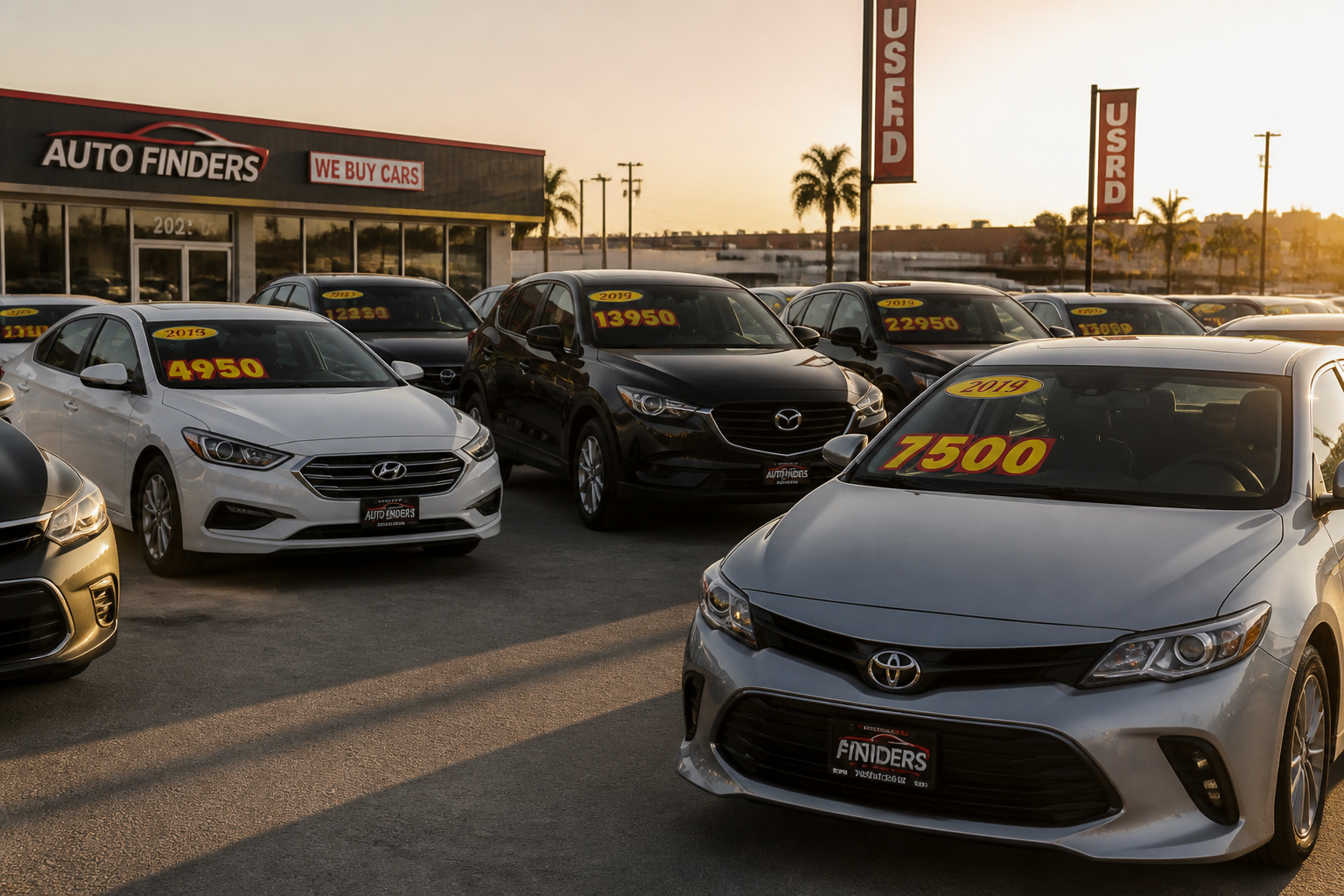
The average price of a new car in the United States has reached an all-time high of $51,109, even as dealer lots see their inventories swell with more affordable options. This paradoxical market shift—record pricing alongside a 100,000-unit inventory increase to 3.1 million vehicles—could signal a turning point for buyers who have faced years of limited selection and inflated prices.
Record Pricing Meets Growing Supply
According to recent market data, the average transaction price for a new vehicle has climbed to an unprecedented $51,109. This represents the highest average new car price on record, continuing an upward trend that has defined the automotive market since the pandemic-era supply chain disruptions began.
Yet the story isn’t simply one of escalating costs. New vehicle inventory has jumped by 100,000 units, bringing the total to 3.1 million vehicles across dealerships. More significantly for cost-conscious buyers, stocks of less expensive models are growing as part of this inventory increase, suggesting manufacturers and dealers are responding to affordability concerns.
The Inventory-Price Paradox Explained
The simultaneous occurrence of record prices and growing inventory may seem contradictory, but it reflects the complex dynamics of automotive retail recovery. During the chip shortage and supply chain crisis of 2021-2023, dealer inventories plummeted to historic lows, sometimes representing just weeks of supply rather than the traditional 60-90 day cushion. This scarcity allowed dealers to command full sticker prices or higher, with buyers often paying above manufacturer’s suggested retail price (MSRP).
The current average price of $51,109 includes a significant proportion of high-specification trucks, SUVs, and luxury vehicles that were prioritized during the shortage due to their higher profit margins. As production has normalized, manufacturers have begun replenishing dealer stocks with more volume-oriented, entry-level models that had been deprioritized when semiconductor chips and other components were scarce.
Growing Stock of Affordable Models
The increase in less expensive model inventory is particularly noteworthy for the global market. Compact sedans, base-trim crossovers, and value-oriented vehicles from mainstream brands are becoming easier to find on dealer lots. This shift suggests that the product mix is beginning to normalize after years of luxury and premium vehicle dominance.
For markets across the United States, Canada, the United Kingdom, Australia, and the European Union, this trend mirrors broader economic pressures. With interest rates having risen substantially over the past two years, monthly payments on vehicle financing have increased even more dramatically than sticker prices. A vehicle priced at $51,000 financed at current rates can carry monthly payments exceeding £650 or $900 USD, pushing many buyers toward more affordable alternatives.
What This Means for Buyers
The convergence of record pricing and expanding inventory creates a complex but potentially favorable environment for informed buyers. While the average transaction price remains at an all-time high, the growing inventory—particularly of more affordable models—fundamentally shifts the power dynamic between dealers and customers.
Buyers should expect improved negotiating leverage, especially on vehicles that have been sitting on dealer lots for extended periods. Inventory that ages beyond 60-90 days becomes increasingly costly for dealers to finance, creating motivation for price concessions. Those willing to consider less popular colours, configurations, or previous model-year stock may find opportunities for discounts that have been rare in recent years.
The return of more affordable models also means buyers aren’t forced to stretch budgets or compromise on needs simply to find available inventory. Where a compact SUV buyer might have been pushed toward a mid-size or premium model in 2022 due to availability constraints, more options now exist at various price points.
Regional Market Considerations
While these figures primarily reflect the United States market, similar patterns are emerging across Tier-1 automotive markets globally. Canadian buyers face comparable dynamics with inventory rebuilding after prolonged shortages. UK and European markets, while influenced by different model mixes and regulatory environments, are similarly seeing improved availability alongside persistent price pressure.
Australian buyers, who often face some of the longest wait times for popular models due to right-hand-drive conversion requirements and shipping logistics, may see more gradual inventory recovery. However, the global trend toward improved supply should eventually benefit all major markets as manufacturers balance allocation across regions.
Outlook for the Coming Months
The trajectory of both pricing and inventory will depend heavily on broader economic factors. If interest rates stabilize or decline, demand could absorb growing inventory quickly, maintaining price pressure. Conversely, any economic slowdown could accelerate inventory accumulation, forcing more aggressive pricing adjustments from manufacturers and dealers.
For prospective buyers, the current environment suggests patience may be rewarded. As inventory continues to build and the proportion of affordable models increases, the extreme seller’s market of recent years appears to be moderating. Those who can delay purchases may benefit from improved selection and strengthened negotiating position in the months ahead.