Key Facts
- Car and Driver published analysis identifying which luxury vehicles consumers are actively purchasing in current market conditions
- Carvana’s Q3 net income jumped 84% to $483 million with record quarterly retail sales
- Affordability issues expected to persist through 2027 as buyers extend loan terms and reduce down payments
- Market timing and financing strategies becoming critical factors for both new and used vehicle purchases
Luxury vehicle sales are showing unexpected resilience even as automotive affordability reaches crisis levels, with new market data revealing which premium models consumers are prioritizing and how buyers are adapting their financing strategies. The trend comes as used-vehicle giant Carvana reported an 84% surge in quarterly net income to $483 million alongside record retail sales, while industry analysts warn that affordability pressures will continue constraining car buyers through at least 2027.
Current Luxury Vehicle Buying Patterns
Car and Driver published an analysis examining which luxury vehicles consumers are currently purchasing, providing insight into premium segment demand during a period of significant market volatility. The publication’s findings highlight how buyer preferences are shifting in response to economic pressures and changing mobility needs across global Tier-1 markets including North America, the United Kingdom, and Australia.
The luxury segment’s performance stands in sharp contrast to broader market challenges, suggesting that affluent buyers continue prioritizing premium features and brand prestige even as entry-level and mid-market consumers face mounting financial constraints. This bifurcation reflects a widening gap in automotive purchasing power across income brackets.
Used Vehicle Market Shows Exceptional Strength
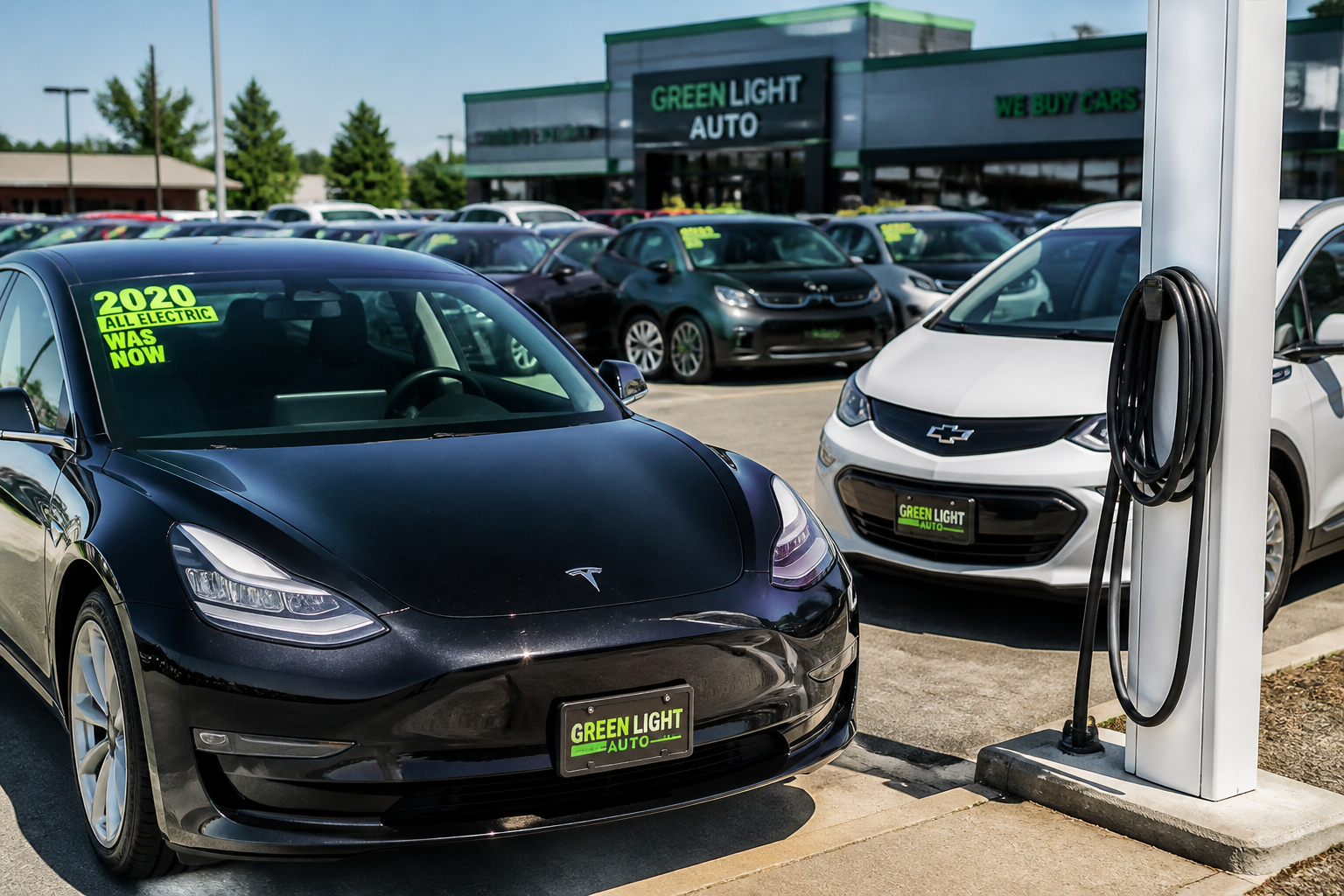
The robust performance of the pre-owned luxury segment received validation from Carvana’s third-quarter earnings report, which revealed net income surged 84% to reach $483 million while simultaneously setting a quarterly retail sales record. The online used-vehicle retailer’s performance suggests that consumers are increasingly turning to pre-owned luxury options as a strategy to access premium features while managing budget constraints.
The strength in used luxury vehicle sales indicates buyers are willing to accept slightly older model years to secure desired brands and equipment levels. This trend benefits from luxury vehicles’ typically strong build quality and feature content that remains competitive even after several years in service.
Affordability Crisis Reshaping Financing Behavior
The positive sales figures mask a deeper structural challenge that will reshape automotive retail for years to come. Automotive News reported that affordability issues will persist through 2027, driven by consumers stretching auto loans to longer terms and reducing down payment amounts to manage monthly payment burdens.
This financing trend carries significant implications for both dealers and buyers. Extended loan terms increase total interest paid over the vehicle’s financing period, while smaller down payments result in higher loan-to-value ratios that can leave buyers underwater on their loans for extended periods. The combination creates heightened financial risk, particularly if vehicle values decline or buyers face income disruptions.
Timing Strategy Becomes Critical Factor
Market timing has emerged as an increasingly important consideration for vehicle purchases. News Channel 3-12 covered timing considerations for purchasing both new and used vehicles, highlighting how seasonal patterns, inventory levels, and interest rate fluctuations can significantly impact total ownership costs.
Savvy buyers are monitoring multiple factors including manufacturer incentive programs, dealer inventory levels, and regional pricing variations to identify optimal purchase windows. For luxury vehicles specifically, model-year changeovers and new generation launches can create opportunities to secure previous-generation models at substantial discounts.
What This Means for Buyers
The current market environment demands a more strategic approach to luxury vehicle acquisition. Buyers should prioritize comprehensive financial planning that accounts for total ownership costs rather than focusing exclusively on monthly payment amounts. This includes realistic assessment of insurance costs, maintenance expenses, and potential depreciation trajectories.
Pre-owned luxury vehicles represent an increasingly attractive value proposition, offering access to premium features and brand prestige at price points that better align with constrained budgets. However, buyers must conduct thorough pre-purchase inspections and review complete service histories to avoid inheriting deferred maintenance costs.
The extended affordability crisis through 2027 suggests that buyers should avoid overextending financially, even if dealer financing makes higher-priced vehicles appear accessible. Conservative loan terms and substantial down payments provide crucial financial flexibility if economic conditions deteriorate or personal circumstances change.
Market timing remains important but should not override fundamental purchase readiness. Buyers who have secured stable financing, accumulated adequate down payments, and identified specific vehicles meeting their needs should proceed when suitable opportunities arise rather than attempting to perfectly time market fluctuations.
The confluence of strong luxury demand, robust used-vehicle sales, and persistent affordability challenges creates a complex landscape requiring careful navigation. Buyers who combine thorough research, disciplined financing, and strategic timing will be best positioned to secure vehicles meeting their needs while maintaining long-term financial health.