Key Facts
- Hertz is shuttering all Hertz Car Sales locations, ending its retail used-vehicle business
- Industry dealers are deploying AI tools to optimize used-vehicle acquisition and pricing strategies
- 60% of automotive customers express disappointment with service quality, according to recent customer reviews
- The closures reflect broader consolidation in used-car retail distribution channels
Hertz is closing all of its Hertz Car Sales retail locations, exiting the direct-to-consumer used vehicle market entirely. The move comes as automotive dealers increasingly adopt artificial intelligence for inventory acquisition strategies, reshaping distribution channels across North America and Europe.
The rental car giant will shutter its standalone used-car sales operations, which previously offered retired rental fleet vehicles directly to consumers through dedicated retail storefronts. The closure eliminates a retail channel that allowed buyers to purchase ex-rental vehicles without visiting traditional franchised or independent dealerships.
AI Transforms Dealer Acquisition Strategies
The timing of Hertz’s retail exit coincides with a fundamental shift in how dealers source and price used inventory. Dealer panel discussions have highlighted the growing role of artificial intelligence in used vehicle acquisition, with automated systems now analyzing market data, pricing trends, and regional demand patterns to optimize purchasing decisions.
These AI-powered platforms evaluate vehicle history, projected depreciation curves, and local inventory needs to guide dealers on which units to acquire from auctions, trade-ins, and fleet operators like Hertz. The technology reduces reliance on intuition-based buying, instead using predictive analytics to match inventory with anticipated customer demand.
For rental car companies divesting fleet vehicles, this technological shift means dealing primarily with wholesale buyers employing sophisticated algorithms rather than maintaining consumer-facing retail infrastructure. The operational costs and complexity of running branded retail locations become harder to justify when dealer networks can efficiently absorb fleet inventory through wholesale channels enhanced by AI analytics.
Customer Satisfaction Challenges Plague Auto Retail
The broader automotive retail sector faces significant customer experience challenges that may have influenced Hertz’s strategic decision. Customer review data indicates that six in ten automotive customers express disappointment with service quality, reflecting systemic issues in how vehicles are sold and serviced across the industry.
This 60% dissatisfaction rate encompasses complaints about pricing transparency, sales pressure tactics, service department responsiveness, and post-purchase support. For a company like Hertz operating outside its core rental competency, achieving competitive customer satisfaction scores in retail sales requires substantial investment in training, facility standards, and customer relationship management systems.
The consolidation toward established dealer networks with existing service infrastructure and customer touchpoints may offer consumers more consistent experiences, though the industry-wide satisfaction challenges suggest substantial room for improvement remains regardless of who operates the retail channel.
Distribution Channel Consolidation Accelerates
Hertz’s exit exemplifies a broader consolidation trend in used-vehicle distribution. The market is increasingly dominated by large dealer groups with multi-location footprints, online-only retailers with centralized logistics, and traditional franchised dealers expanding certified pre-owned programs.
Standalone branded operations from rental companies or manufacturers face competitive pressure from entities that sell used vehicles as their primary business rather than as a secondary fleet disposal channel. The economies of scale, specialized expertise, and technological investments required to compete effectively in retail used-car sales favor dedicated operators over those treating it as an ancillary operation.
Fleet operators like Hertz will continue selling vehicles, but predominantly through wholesale auction channels and bulk transactions with dealer groups. This approach reduces overhead while leveraging the retail infrastructure and customer relationships dealers have already built.
What This Means for Buyers
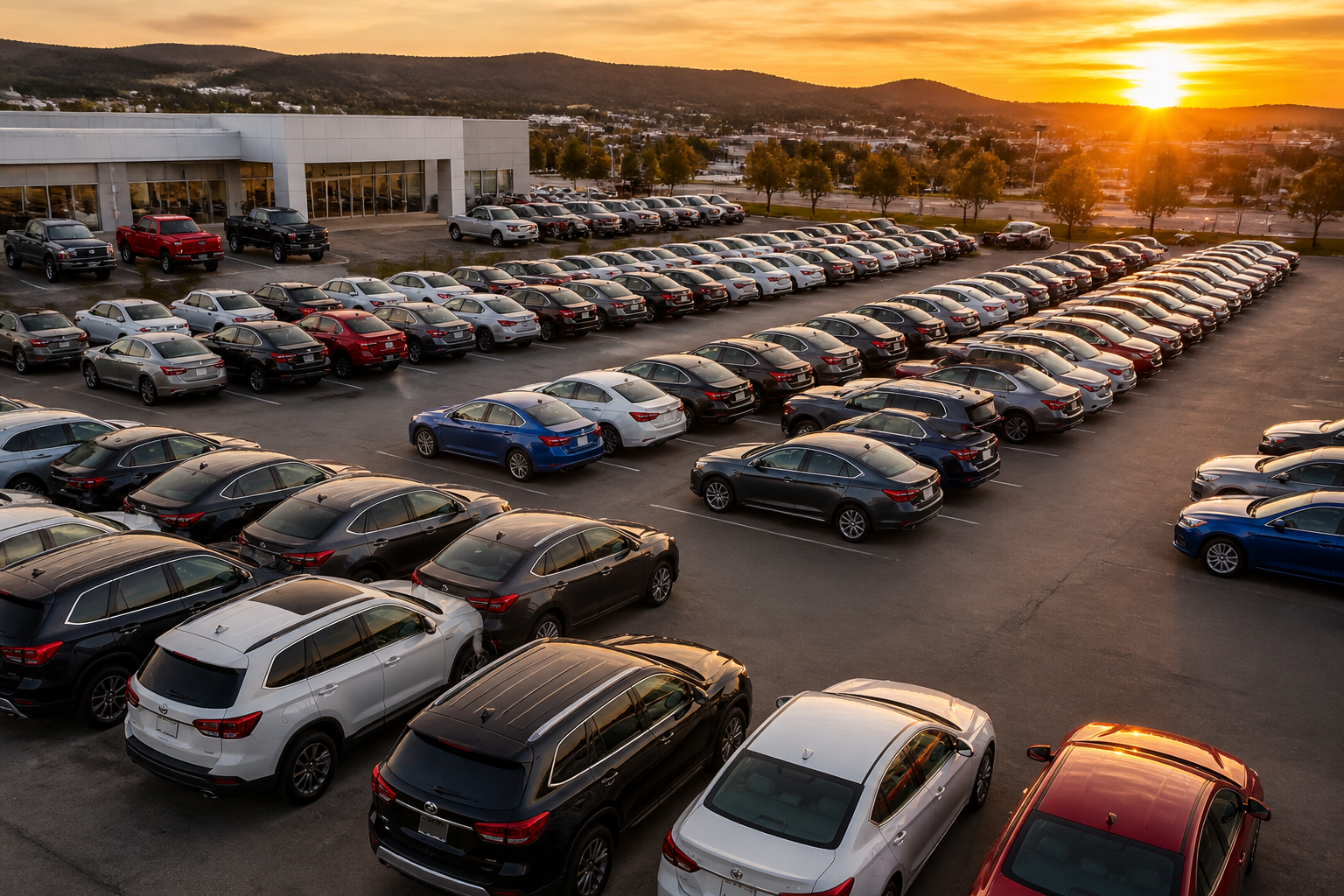
Consumers seeking former rental vehicles will now primarily encounter them on traditional dealer lots rather than at dedicated Hertz Car Sales locations. This shifts the purchasing experience to conventional dealership environments, which may offer broader selection as dealers aggregate inventory from multiple fleet sources alongside trade-ins and auction purchases.
The AI-driven acquisition strategies dealers employ should theoretically improve inventory match with local demand, potentially reducing the time buyers spend searching for specific makes, models, and feature combinations. However, the technology primarily benefits dealer margins and operational efficiency rather than directly enhancing customer experience.
Buyers should expect continued pricing volatility as AI systems respond rapidly to market condition changes, adjusting valuations based on real-time data. This can create opportunities for negotiation when algorithms overprice inventory that sits unsold, but may also result in faster price increases when demand spikes.
The persistent customer satisfaction challenges across the sector suggest buyers should maintain diligent research practices, obtain independent vehicle inspections, and carefully review all transaction documents regardless of the retailer. The closure of alternative retail channels like Hertz Car Sales reduces competitive pressure that might otherwise incentivize service quality improvements among remaining dealers.