In India, the sales of electric vehicles increased by 77% in 2025 and stood at over 176,500 units. Competition among market leaders was on the increase as new entrants became effective. Tata motors was the best seller with a sharp decline in market share. Besides, JSW MG motor, Mahindra, Tesla and VinFast recorded significant progression throughout the year.
Tata Motors Retains Lead Amid Electric Vehicles Sales
In 2025, Tata Motors sold 69,955 electric vehicles in contrast to 61,747 units sold in 2024 and 13% more than in 2024. Although its market share grew, it has dropped to 40% down to 62% in 2024. Furthermore, the Nexon EV, Tiago EV, and Punch EV maintained a consistent level of sales, with the new Harrier EV contributing to the demand.
The Curvv coupe-SUV has yet to achieve significant sales traction, and competition from other OEMs affected Tata’s overall share. The decline in market share is due to the strong growth of rivals like JSW MG Motor and Mahindra, which launched new electric vehicles models with competitive pricing. Tata continues to support its EV lineup through dealer networks, charging infrastructure, and software updates.
JSW MG Motor and Mahindra Record Rapid Growth
JSW MG Motor reported a sales volume of 51,376, an increase of 136% over the 21,801 sales. Essentially, most of this growth was made by the Windsor EV that was backed by battery-as-a-service pricing model.
Other vehicles that were added to the growing line include the M9 MPV and the Cyberster electric roadster. Market share increased to 29%, up compared with 22% thus showing good reception of new models.
The highest increase was in Mahindra & Mahindra, which sold 33,512 versus 7,153 in 2025 and 2024 respectively. This is a 369% growth and expansion of the market share of 7% to 19%. It was notably increased by the BE 6 and XEV 9e electric SUVs.
Consequently, volumes will be increased further with the introduction of the XEV 9S with three rows as an SUV. Mahindra was concentrated on spreading electric mobility through various SUVs.
Emerging Players and Luxury Segment Performance
Hyundai sold 6,726 vehicles, which is 637% higher than 913 vehicles in 2024, and the Creta Electric was the major driver. The Sealion 7 and other models helped BYD India to increase sales by 5,402 units. Kia India also expanded to a huge 2731 units, backed by the Carens Clavis EV MPV.
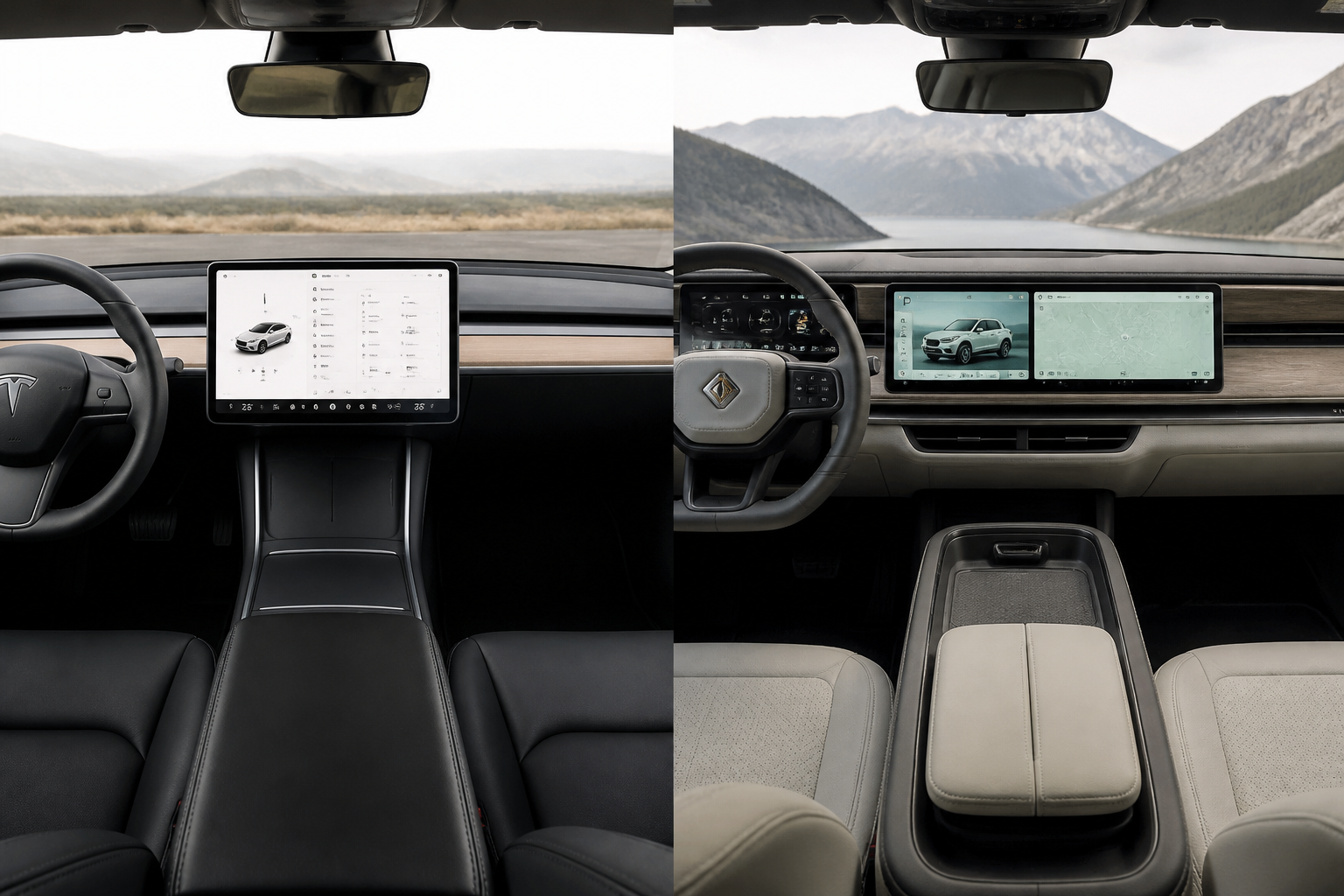
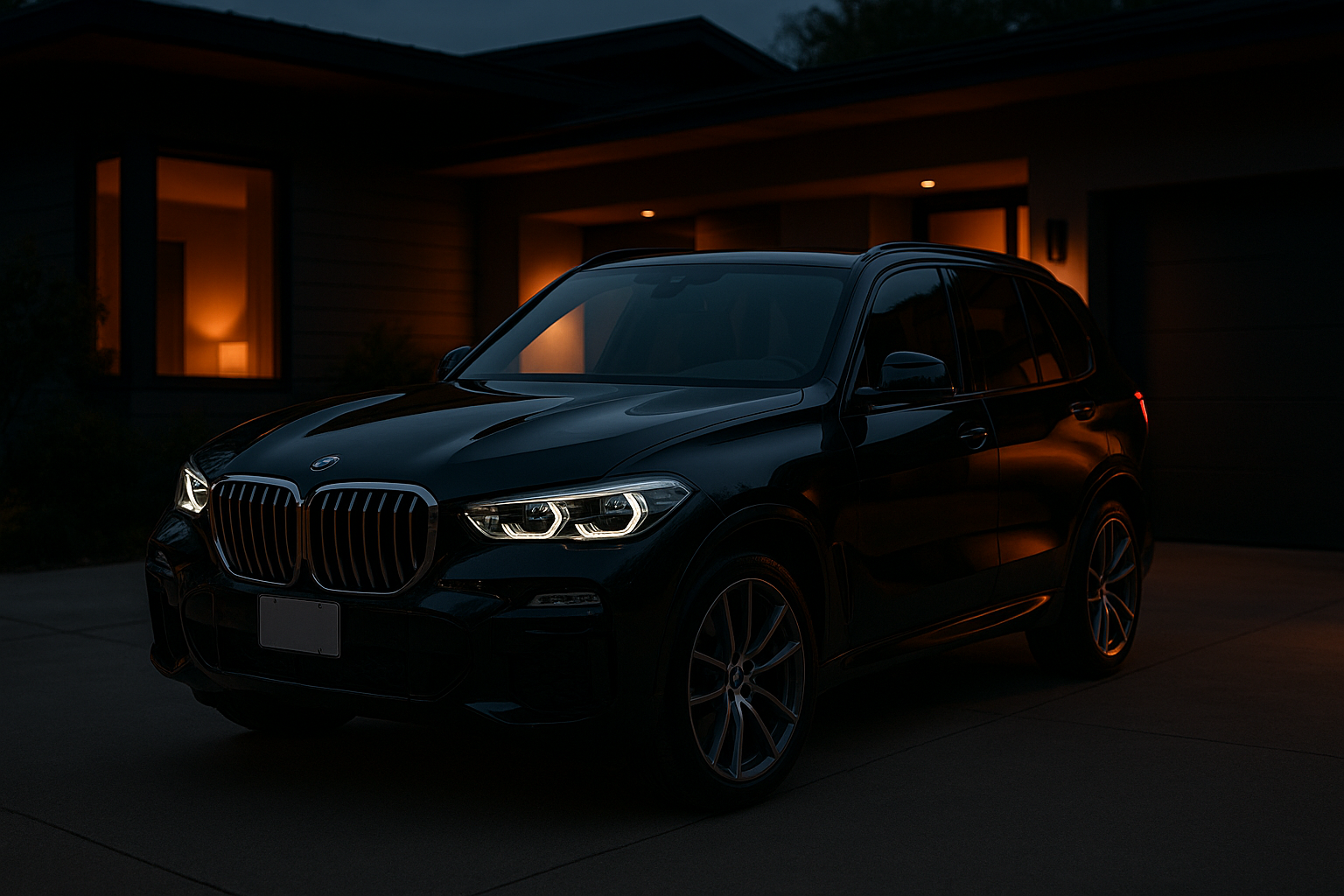
After introducing the VF 6 and VF 7, Tesla introduced 157 units of Model Y in India and VinFast sold 826 units. Discrepancy with the luxury EV segment indicates the sale of 5,116 units in 2025, which is an increase of 78% against 2,869 units in 2024. BMW dominated the segment recording 3,195 units and 62% market share.
Mercedes-Benz registered 1,168 sales compared to Volvo, Porsche, and Audi that reported a lower number. Tesla, Rolls-Royce, and JLR were the additions to luxury, with small volumes. The segment helped in the general growth of the electric car market.
Moreover, the increase in electric vehicles sales is indicative of the increase in the uptake of the vehicle in the mass-market and premium segments. The market share has been redefined by the entry and presence of new and existing players increasing competition. As more launches are anticipated in 2026, the demand of the electric cars in India is expected to keep on increasing.