Key Facts
- EV sales declining significantly across major markets, raising concerns about mainstream adoption limits
- Global electrification rates show uneven adoption patterns, with markets advancing at vastly different speeds
- Early-adopter segment saturation may be driving sales slowdown in mature EV markets
- Market concentration and regional adoption gaps creating implications for pricing, model availability, and manufacturer investment
Electric vehicle sales are experiencing a significant downturn across multiple global markets, raising fundamental questions about mainstream EV adoption and whether the technology is hitting early-adopter market saturation. The slowdown comes as a new global report reveals stark differences in electrification speeds between regions, suggesting the EV transition is fragmenting rather than accelerating uniformly.
The Sales Decline and Market Reality
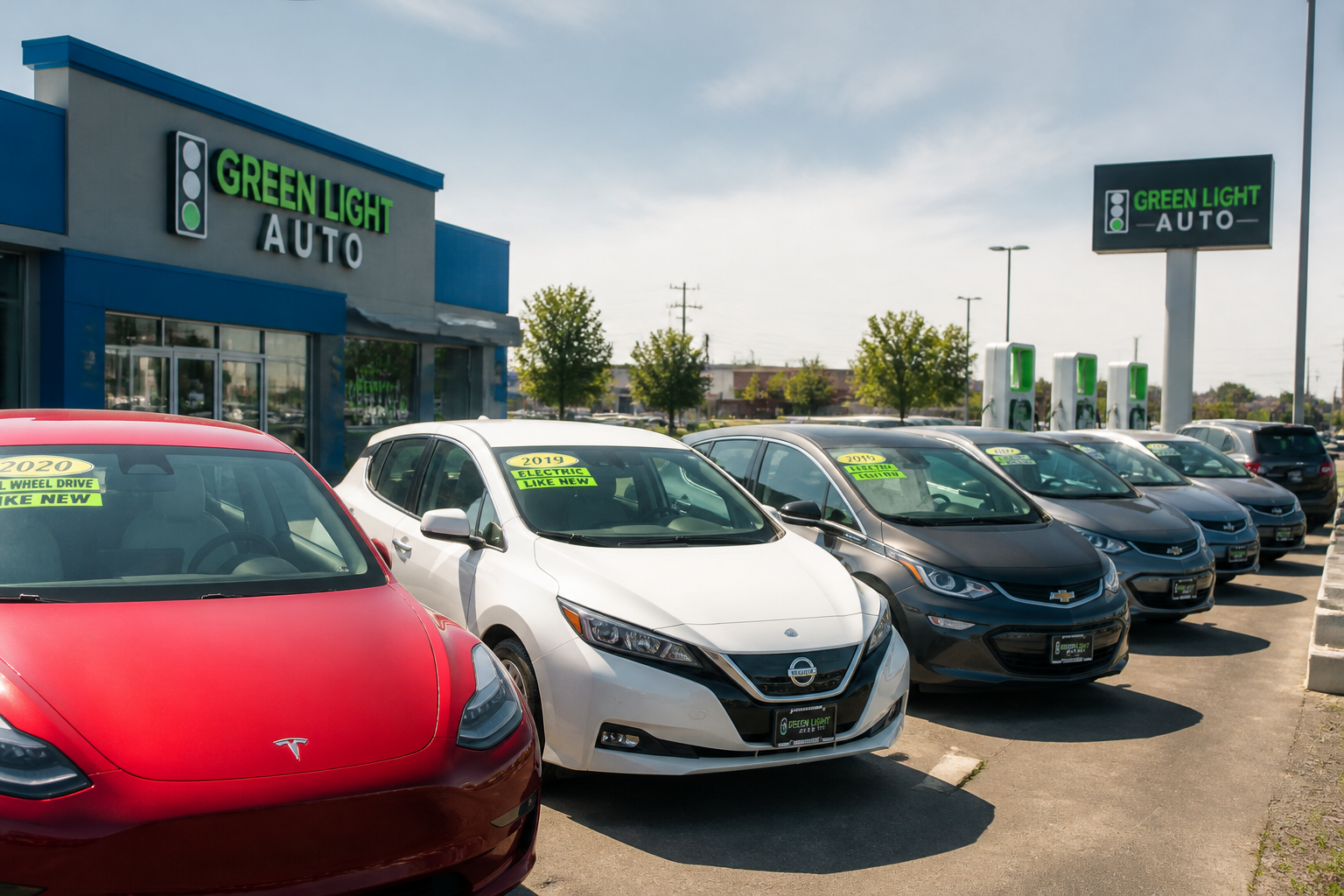
Recent industry analysis indicates electric vehicle sales are experiencing a significant decline, prompting concerns about whether EVs are becoming too niche for mainstream Used Electric Vehicle Sales Hit Record High in March Despite New EV Market Slowdown”>consumer adoption. The data suggests that markets which saw explosive growth in recent years may have exhausted the pool of early adopters willing to embrace electric powertrains despite higher upfront costs, charging infrastructure concerns, and range anxiety.
This decline arrives at a critical juncture for the automotive industry, as major manufacturers have committed billions to electrification strategies predicated on continuous growth trajectories. The slowdown challenges assumptions that mass-market consumers would transition to EVs at the same pace as technology enthusiasts and environmentally conscious buyers who dominated early adoption phases.
Global Electrification at Different Speeds
Compounding the sales decline narrative, a global EV report indicates the world is electrifying at vastly different speeds, with adoption rates varying dramatically across major automotive markets. This uneven transition creates a fragmented global landscape where manufacturers must navigate wildly divergent consumer demand, regulatory environments, and infrastructure readiness.
Some markets continue to show robust EV growth driven by aggressive government incentives, comprehensive charging networks, and strong consumer acceptance. Others remain stubbornly resistant to electrification, with traditional internal combustion engines maintaining dominant market share. China continues to lead in absolute EV volumes, while European markets show varying adoption rates depending on national policies and economic conditions. North American markets demonstrate pockets of strong EV interest concentrated in specific regions and demographic segments, but overall penetration remains below ambitious manufacturer targets.
Market Concentration and Regional Implications
The divergent adoption rates are creating significant market concentration effects, with EV sales increasingly dominated by a handful of manufacturers who have successfully identified and targeted receptive consumer segments. Chinese automakers, in particular, have leveraged domestic market scale and vertical integration to achieve cost advantages that enable competitive pricing in export markets.
This concentration raises strategic questions for legacy automakers who invested heavily in electrification but now face softening demand in markets they counted on for volume growth. The mismatch between production capacity being brought online and actual consumer demand could lead to pricing pressure, inventory challenges, and strategic reassessments of model portfolios and regional priorities.
What This Means for Buyers
For consumers and dealers in Tier-1 markets, the EV sales slowdown and uneven global adoption present both opportunities and considerations. The saturation of early-adopter segments suggests that mass-market consumers have different purchase priorities than the initial EV buyer cohort, with greater emphasis on total cost of ownership, charging convenience, and vehicle versatility.
Buyers may benefit from increased competition and potential pricing adjustments as manufacturers work to stimulate demand beyond the early-adopter pool. However, the uneven global adoption rates could impact model availability in specific markets, as automakers prioritize regions showing stronger EV demand for their newest and most compelling electric models.
Dealers face the challenge of educating mainstream consumers who lack the technical enthusiasm of early adopters while managing inventory of EVs that may move more slowly than anticipated. The shifting purchase priorities suggest successful EV sales will require addressing practical concerns about charging access, resale values, and total ownership costs rather than focusing solely on environmental benefits or performance characteristics that resonated with initial buyers.
The fragmented global landscape also means that manufacturer investment in charging infrastructure, service networks, and model development will increasingly flow toward markets demonstrating sustained adoption momentum. Consumers in markets where EV uptake lags may face reduced model choices and slower infrastructure development, creating a self-reinforcing cycle that further widens regional adoption gaps.
Looking ahead, the industry faces a critical test of whether EVs can transition from a niche product for enthusiasts and early adopters to a genuinely mainstream choice for average consumers. The answer will likely vary significantly by region, potentially reshaping the global automotive landscape in ways that diverge from the uniform electrification narrative that dominated industry planning in recent years.