Key Facts
- Carvana’s Q3 net income jumped 84% to $483 million with quarterly retail sales records, signaling robust used luxury vehicle market
- Car and Driver reports strong consumer demand for luxury vehicles across US, UK, Canada, Australia, and EU markets
- Consumers stretching auto loans to longer terms and reducing down payments as affordability concerns persist into 2027
- Used luxury segment outperforming new vehicle sales as buyers seek premium features at accessible price points
Luxury vehicles are experiencing unprecedented demand across Tier-1 markets despite mounting affordability pressures that are forcing consumers to extend auto loans and reduce down payments. The trend, evidenced by Carvana’s record-breaking third quarter performance, reveals a bifurcated market where premium brands thrive while buyers face escalating financial strain through 2027.
Record Sales Performance Masks Affordability Crisis
The used luxury vehicle market demonstrated exceptional strength in the third quarter, with Carvana reporting an 84% surge in net income to $483 million alongside quarterly retail sales records. The online used-car retailer’s performance indicates sustained consumer appetite for premium vehicles in the pre-owned segment, where buyers can access luxury features without new-vehicle price tags.
Industry observers note that luxury vehicles continue experiencing strong consumer demand across Tier-1 markets including the United States, United Kingdom, Canada, Australia, and European Union nations. Premium German brands, Japanese luxury marques, and domestic high-end models are all capturing buyer attention despite economic headwinds.
However, this demand surge comes with significant caveats. Affordability concerns are projected to persist through 2027 as consumers respond to elevated vehicle prices by stretching auto loans over longer terms and putting less money down on purchases. This financing behavior raises questions about the sustainability of current luxury vehicle demand levels.
Which Luxury Segments Are Winning
The current demand surge disproportionately benefits specific luxury segments. Three-year-old certified pre-owned luxury SUVs are commanding particular attention, offering buyers popular body styles with advanced technology packages at 30-40% discounts compared to new equivalents. Premium compact SUVs from brands like BMW, Mercedes-Benz, Audi, and Lexus represent the sweet spot where aspirational buyers can access luxury badges without stretching into six-figure territory.
Full-size luxury sedans, conversely, are experiencing weaker relative demand despite strong absolute sales figures. The shift toward SUVs and crossovers affects even premium segments, with traditional flagship sedans losing market share to utility vehicles bearing the same brand prestige.
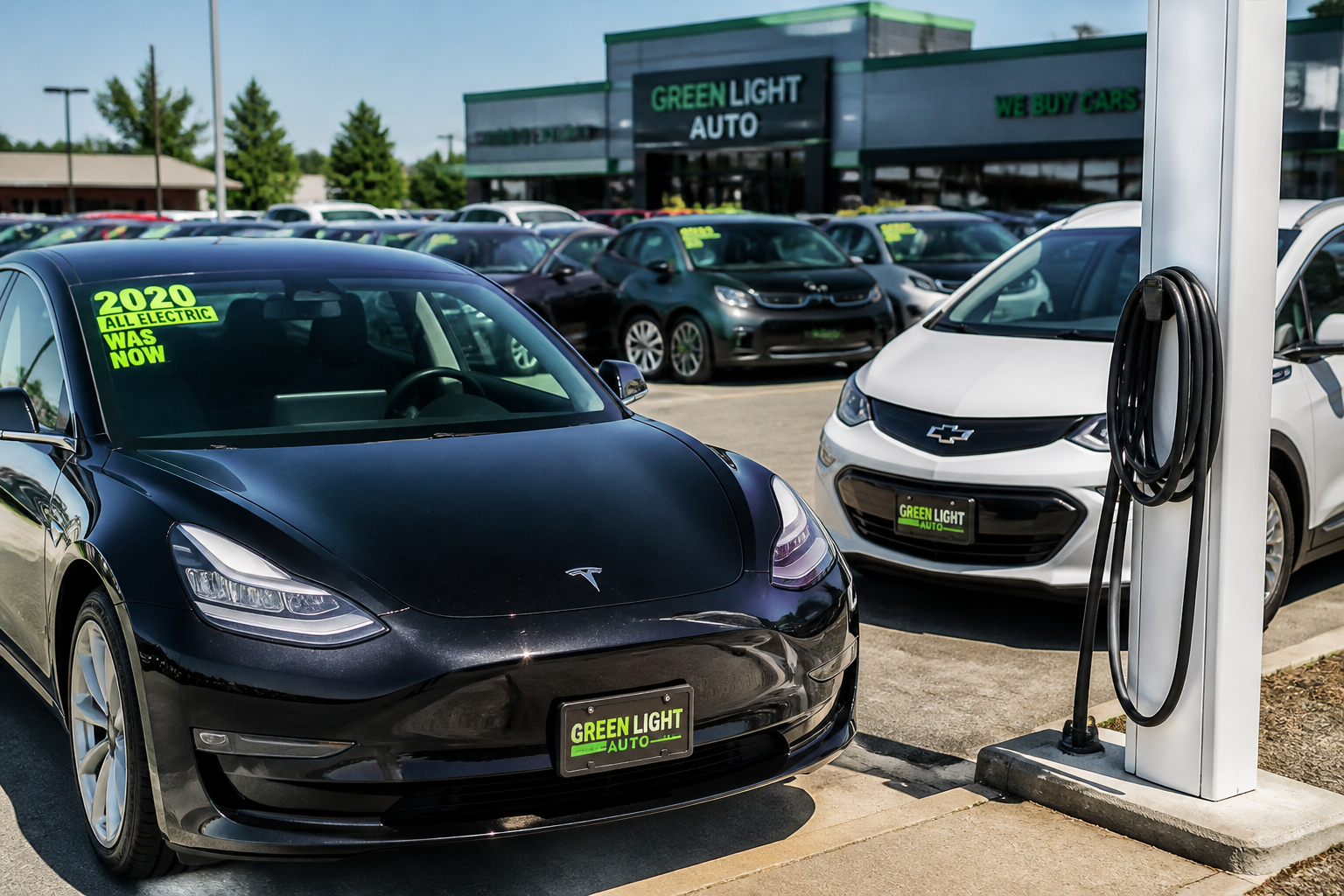
Electric luxury vehicles constitute a growing subsegment, with used Tesla models and premium EVs from established manufacturers attracting environmentally conscious buyers seeking both sustainability credentials and luxury appointments. Pre-owned luxury EVs benefit from steep initial depreciation, making them accessible to buyers who couldn’t afford new pricing.
Financing Trends Reshape Buyer Behavior
The mechanics of how consumers finance luxury vehicle purchases reveal concerning trends. Average loan terms have extended beyond 72 months for many luxury buyers, with 84-month financing becoming increasingly common. These extended terms reduce monthly payments but significantly increase total interest paid over the loan lifecycle and leave buyers underwater on their loans for longer periods.
Down payments have simultaneously decreased, with many luxury buyers putting down 10% or less compared to the traditional 20% benchmark. This combination of extended terms and reduced down payments enables buyers to access vehicles they couldn’t otherwise afford on a monthly basis, but creates financial vulnerability if income disruption occurs or if vehicles depreciate faster than loan balances decline.
Lease penetration remains high in the luxury segment, offering an alternative path to premium vehicle access. Leasing allows consumers to drive newer luxury vehicles with lower monthly commitments than purchase financing, though lessees build no equity and face mileage restrictions.
Regional Market Variations
Luxury vehicle demand patterns vary across Tier-1 markets. The United States leads in absolute volume, with SUV-focused luxury demand concentrated in suburban and exurban markets where larger vehicles suit lifestyle needs. Canadian buyers mirror American preferences with additional emphasis on all-wheel-drive capability due to climate considerations.
United Kingdom and European Union buyers demonstrate stronger appetite for luxury sedans and wagons compared to North American counterparts, though SUV demand grows in these markets as well. Diesel powertrains retain popularity in European luxury segments despite electrification momentum, particularly for long-distance touring applications.
Australian luxury buyers face unique market dynamics including right-hand-drive requirements and geographic remoteness, but follow global trends toward SUVs and premium Japanese brands alongside traditional European marques.
What This Means for Buyers
Prospective luxury vehicle buyers face a paradox: abundant selection and strong dealer inventory meet troubling affordability dynamics. The used luxury market offers compelling value for discerning shoppers willing to accept vehicles 2-4 years old, where depreciation has already eliminated the steepest price premium while leaving substantial warranty coverage intact.
Buyers should resist temptation to maximize purchasing power through extended financing terms. A 72-month loan represents a reasonable maximum for most buyers; stretching to 84 months amplifies risk without proportionate benefit. Prioritizing larger down payments—aiming for 20% minimum—provides equity buffer and reduces monthly obligations.
The sustainability question looms over current market conditions. If economic pressures intensify or interest rates remain elevated, buyers locked into extended loans with minimal equity could face negative equity situations that trap them in unsuitable vehicles or force them to absorb losses when circumstances change.
For buyers proceeding with luxury vehicle purchases, focusing on vehicles with strong residual value projections, avoiding excessive option packages that don’t enhance resale appeal, and maintaining conservative financing parameters will provide flexibility if market conditions shift. The current demand surge creates opportunity for informed buyers while presenting hazards for those who overextend financially to access premium badges.