Key Facts
- Ford recalled 741,195 vehicles for transmission park defects affecting 2018-2021 Expedition and Navigator models, plus 2020-2021 Explorer, Aviator, and F-150 vehicles
- An additional 110,626 vehicles were recalled July 7: 42,784 Mustang Mach-E models for rear differential issues and 2024-2026 Mustangs for windshield wiper malfunctions
- Combined with June recalls, Ford has recalled over 1.7 million U.S. vehicles in 2026, with an iSeeCars.com study showing 19.6 million recalls in 12 months—more than the rest of the auto industry combined
- The recalls coincided with Ford’s July 4 ‘We put quality first. Now Ford is first in quality’ campaign following its JD Power Initial Quality Survey ranking
Ford has recalled nearly one million vehicles across multiple safety campaigns in a two-week period during early July 2026, creating an awkward juxtaposition with the automaker’s aggressive Independence Day marketing campaign touting “quality first” leadership. The massive recall wave comes as NHTSA data reveals Ford has issued 56 recalls year-to-date—nearly three times more than second-place General Motors with 19.
Transmission Park Defect Affects Three-Quarters of a Million Vehicles
The largest campaign, announced in early July, covers 741,195 vehicles with a transmission park system defect that could allow parked vehicles to roll away unexpectedly. The recall affects 2018-2021 Lincoln Navigator and Ford Expedition models, along with 2020-2021 Ford Explorer, Lincoln Aviator, and F-150 vehicles.
The defect involves the park pawl return spring, which may not properly engage when drivers shift into park. If the parking brake is not applied and the vehicle is parked on an incline, it could roll away, creating collision and injury risks.
Mustang Models Hit with Two Separate Safety Actions
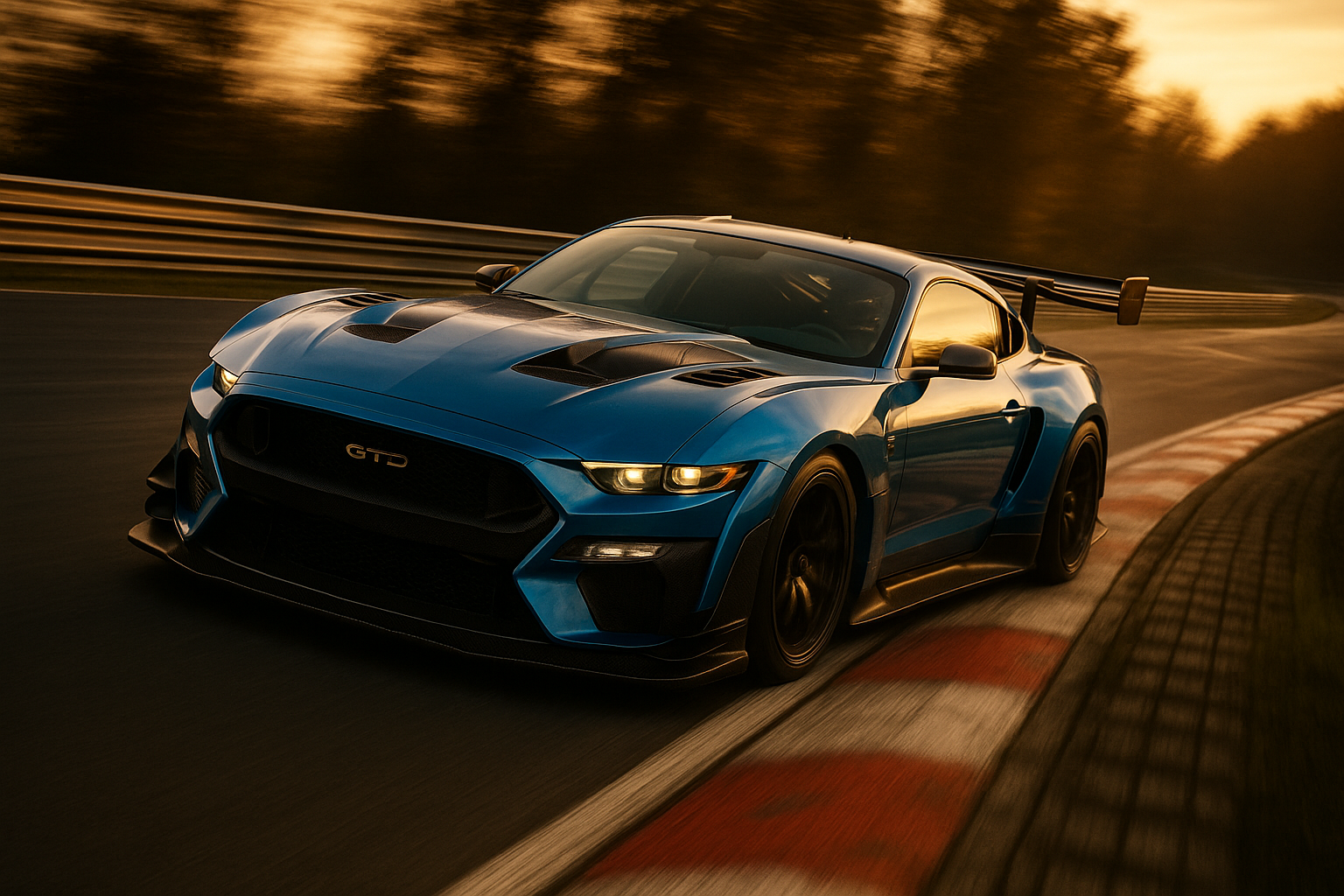
On July 7, Ford issued an additional 110,626 vehicle recall across two campaigns. The first affects 42,784 Mustang Mach-E vehicles from model years 2021-2023 due to rear differential pinion shaft fracture risk. The second targets 2024-2026 Mustang models and the 2025-2026 Mustang GTD for windshield wiper malfunctions that could impair driver visibility.
These July recalls follow substantial June safety actions covering 420,000 vehicles for seatbelt defects and 548,000 vehicles for center console issues, bringing Ford’s 2026 U.S. recall total well above 1.7 million vehicles in what multiple outlets have described as record-setting for the automaker.
The Irony of “Quality First” Messaging
The timing of these massive recalls proved particularly awkward. Ford launched an aggressive July 4 marketing campaign with the tagline “We put quality first. Now Ford is first in quality” following its number-one ranking among mainstream brands in JD Power’s June 25 Initial Quality Survey—a metric that measures problems reported in the first 90 days of ownership.
The disconnect between short-term quality survey results and the scale of Ford’s recall activity has raised questions about what “quality first” actually means. According to an iSeeCars.com study, Ford recalled 19.6 million vehicles in the past 12 months—more than the rest of the auto industry combined.
Historic Recall Pace Continues
So far in 2026, Ford has issued 50 recalls involving 11,271,100 vehicles, putting the company on pace to potentially surpass its 2025 record of 153 recalls affecting nearly 13 million vehicles—the most recalls ever issued by any automaker in a single year.
Ford has defended its recall frequency, stating the increase reflects an “intensive strategy to quickly find and fix hardware and software issues.” The company noted it has more than doubled its safety and technical expert teams and increased testing of critical vehicle systems.
What This Means for Buyers
For prospective Ford buyers, the recall tsunami presents a complicated picture. On one hand, Ford’s proactive approach to identifying and addressing defects could be viewed as transparency and commitment to safety. On the other, the sheer volume of recalls—far exceeding competitors—raises legitimate questions about quality control processes during design and manufacturing.
Current Ford owners should check recall status at NHTSA’s recall portal or Ford’s owner website using their VIN. All recall repairs are performed free of charge at authorized dealerships.
The recall situation may also affect resale values, as buyers considering used Fords will need to verify recall completion and may factor the brand’s reliability concerns into pricing negotiations. This stands in stark contrast to Toyota and Honda, which continue to benefit from decades-long reputations for fewer recalls and long-term dependability.
For those currently shopping, the question becomes whether Ford’s 90-day JD Power quality rating accurately predicts long-term ownership experience, or whether the unprecedented recall volume signals deeper systemic issues that won’t manifest until well after the initial quality survey period ends.
| Recall Campaign | Vehicles Affected | Issue | Model Years |
|---|---|---|---|
| Transmission Park Defect | 741,195 | Park pawl may not engage, allowing rollaway | 2018-2021 Expedition/Navigator, 2020-2021 Explorer/Aviator/F-150 |
| Mustang Mach-E Differential | 42,784 | Rear differential pinion shaft fracture risk | 2021-2023 |
| Mustang Windshield Wipers | 67,842 | Wiper malfunction impairing visibility | 2024-2026 Mustang, 2025-2026 Mustang GTD |