Key Facts
- Toyota, Honda, Hyundai and Kia experiencing retail demand gains through October driven by hybrid sales
- Hybrids capturing market share across US, UK, Canada, Australia, EU and other Tier-1 markets
- 2027 Nissan Rogue Hybrid launching with EV-like characteristics without plug-in technology
- Major automakers actively developing hybrids as consumer preference shifts from traditional petrol powertrains
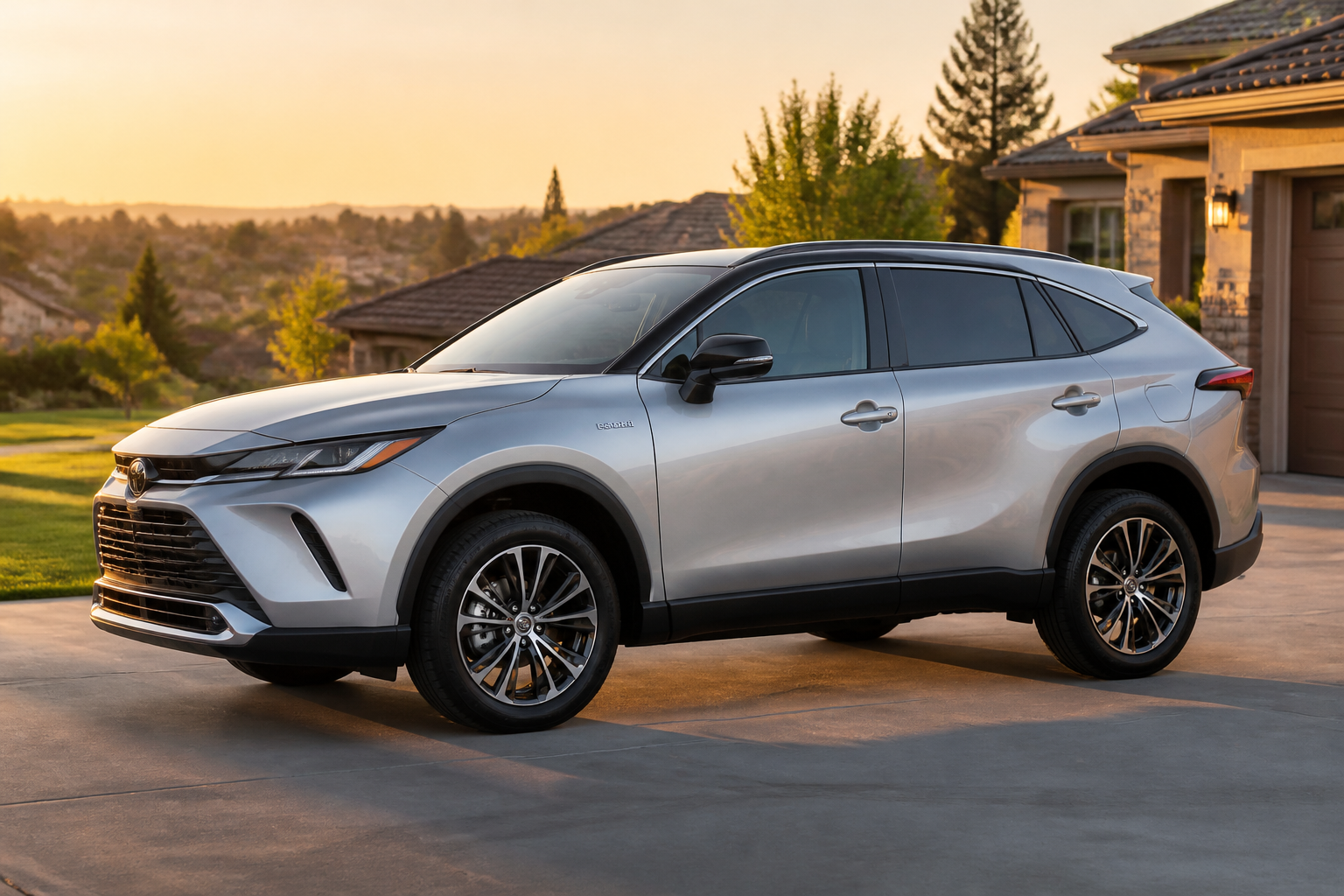
Toyota, Honda, Hyundai and Kia are reporting significant retail demand gains through October, driven primarily by surging hybrid vehicle sales across global markets. The trend signals a pronounced consumer preference for electrified powertrains that don’t require charging infrastructure, outpacing pure battery-electric vehicle adoption in mainstream segments.
The four Japanese and Korean manufacturers are experiencing retail demand gains through October as buyers increasingly seek the fuel economy benefits of electrification without the range anxiety, charging time or infrastructure concerns associated with pure electric vehicles. The sales momentum spans Tier-1 markets including the United States, United Kingdom, Canada, Australia and European Union.
Hybrid Technology Outpacing Pure EV Adoption
The surge in hybrid sales represents a significant shift in consumer purchasing patterns, with mainstream buyers demonstrating clear preference for dual-powertrain vehicles that combine internal combustion engines with electric motors. Unlike battery-electric vehicles, hybrids require no changes to refuelling behaviour whilst delivering substantially improved fuel economy compared to traditional petrol-only powertrains.
Major automakers are actively developing and promoting hybrid vehicles as the technology proves more appealing to cost-conscious buyers in the current economic climate. The approach allows manufacturers to meet increasingly stringent emissions regulations whilst addressing consumer concerns about charging infrastructure availability and battery replacement costs.
Nissan has joined the hybrid expansion with its 2027 Rogue Hybrid, which the manufacturer positions as offering EV-like characteristics without plug-in technology. The vehicle expands hybrid options in the competitive mainstream crossover segment, where buyers have demonstrated strong appetite for electrified alternatives.
Regional Market Variations
Hybrid adoption rates show notable variations across global markets, reflecting different regulatory environments, fuel prices and charging infrastructure development. In the European Union, where diesel powertrains previously dominated, hybrids are rapidly capturing market share as emissions zones expand in major cities and diesel bans become more prevalent.
North American markets, particularly the United States and Canada, show strong hybrid demand in the crossover and SUV segments where Toyota’s RAV4 Hybrid and Honda’s CR-V Hybrid have established dominant positions. Australian buyers are increasingly choosing hybrids as fuel prices remain elevated and charging infrastructure outside major metropolitan areas remains limited.
United Kingdom buyers face additional incentives to choose hybrids, with many local authorities implementing clean air zones that permit hybrid vehicles whilst restricting older petrol and diesel models. The regulatory environment favours hybrids over pure combustion vehicles without requiring the charging infrastructure investment needed for battery-electric adoption.
Cost-Benefit Analysis for Buyers
The financial case for hybrids centres on lower fuel consumption without the purchase price premium typically associated with pure electric vehicles. Hybrid models generally command a £2,000-£4,000 premium over equivalent petrol variants, compared to £8,000-£15,000 premiums for battery-electric models.
Operating costs favour hybrids in markets where electricity prices have risen substantially. Whilst pure EVs offered clear running cost advantages when electricity was inexpensive, recent energy price increases have narrowed the gap considerably. Hybrids also avoid battery degradation concerns that affect resale values of older electric vehicles.
Maintenance requirements for hybrids sit between traditional combustion and pure electric vehicles. The petrol engine requires conventional servicing, but regenerative braking systems substantially extend brake component life. Battery packs in hybrids are significantly smaller than EV batteries, reducing replacement costs and environmental concerns around end-of-life disposal.
What This Means for Buyers
For mainstream buyers seeking to reduce fuel costs and environmental impact without changing refuelling behaviour, hybrids currently represent the most practical electrification option. The technology delivers immediate fuel economy benefits without requiring home charging installation, workplace charging availability or route planning around public charging networks.
Buyers who regularly undertake long-distance journeys will find hybrids particularly advantageous, as range limitations and charging time don’t constrain travel plans. The technology proves especially suitable for buyers without off-street parking or those living in apartments where charging infrastructure installation is impractical or impossible.
However, buyers with predictable daily driving patterns under 200 miles, home charging capability and access to favourable electricity rates may still find pure electric vehicles more cost-effective over the ownership period. Plug-in hybrids offer a middle ground, combining electric-only capability for daily commuting with petrol engine backup for longer journeys.
The surge in hybrid sales suggests manufacturers have correctly identified mainstream buyer priorities: reduced fuel consumption and lower emissions without compromising convenience or requiring significant lifestyle changes. As charging infrastructure continues developing and battery costs decline, pure EV adoption will likely accelerate, but hybrid technology appears positioned to dominate the mainstream market for the remainder of this decade.