Key Facts
- Dealers are building inventory, contributing to improved pricing conditions in the used car market
- The inventory buildup marks a shift from supply-constrained conditions that defined recent years
- Consumers may see better negotiating power as supply normalizes
- Market stabilization could signal sustained correction after pandemic-era price spikes
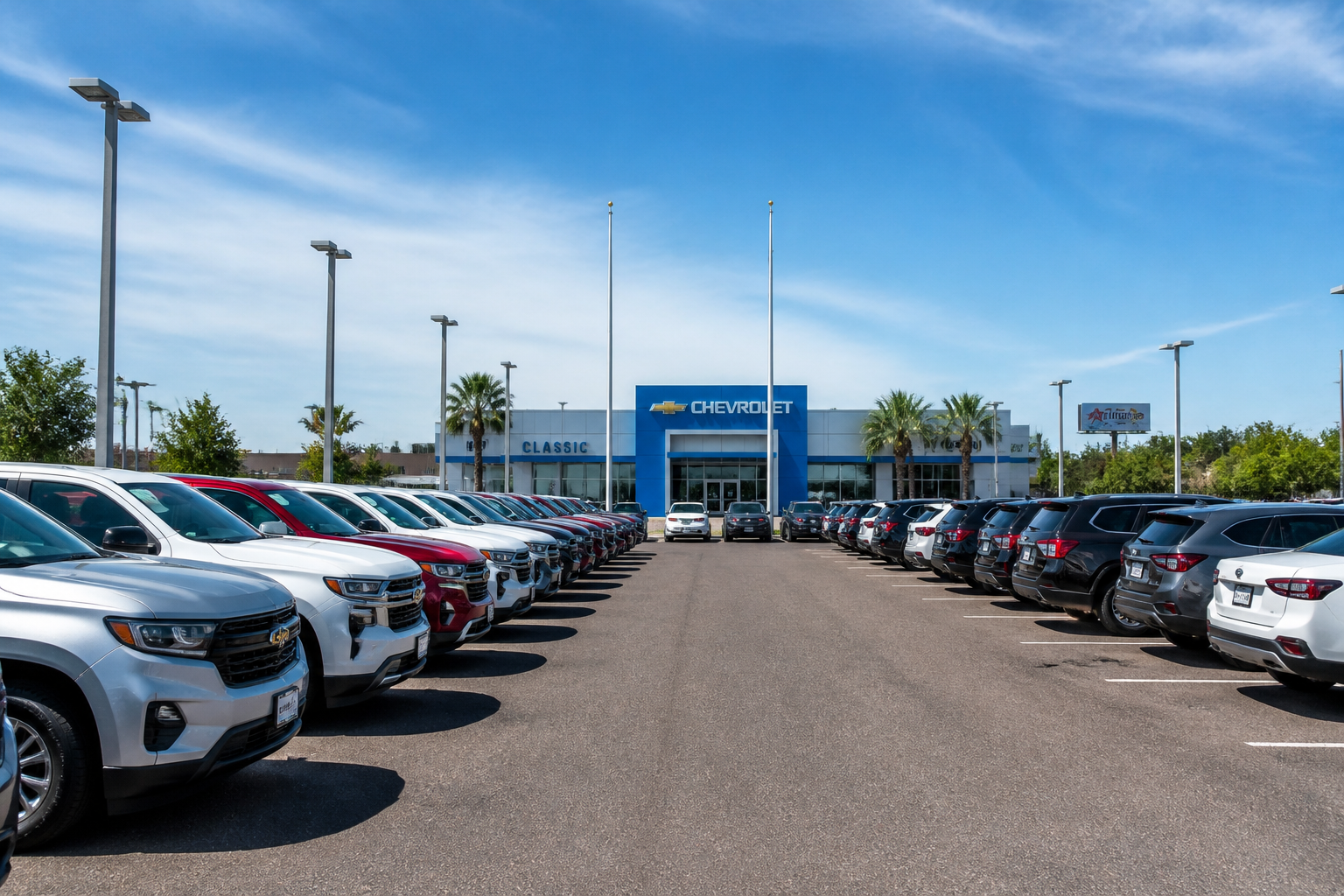
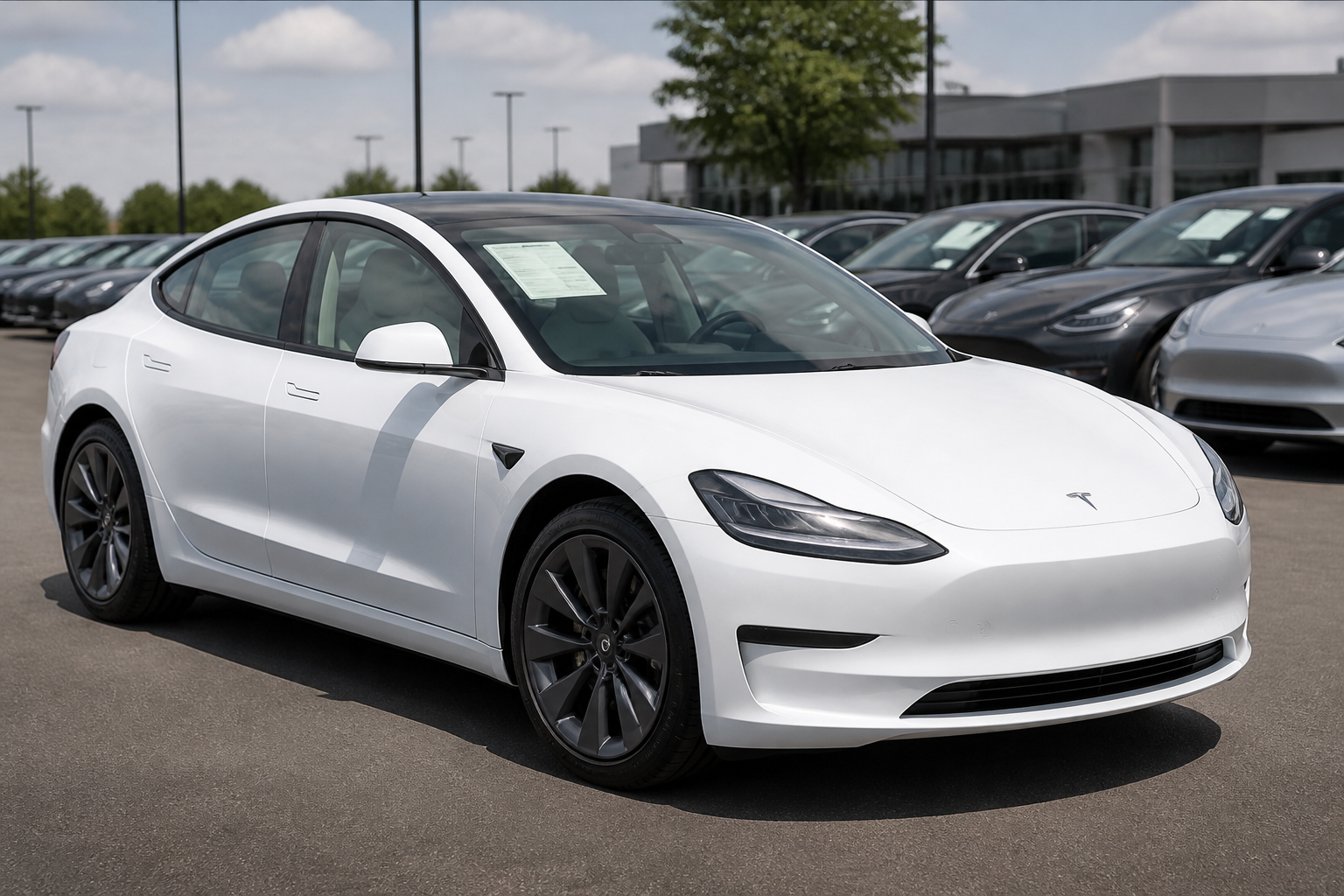
The used car market is showing signs of stabilization as dealers rebuild inventory levels following years of supply-chain disruptions and tight stock. This shift is creating improved pricing conditions that could restore consumer negotiating power across major markets.
Dealers are building inventory, which is contributing to improved pricing conditions in the used car market, marking a notable departure from the seller’s market that has dominated since 2020. The inventory buildup represents a shift from the supply-constrained market conditions that have defined recent years, when semiconductor shortages and production shutdowns created unprecedented scarcity in both new and used vehicle segments.
From Scarcity to Stability
The used car market has undergone dramatic volatility since the COVID-19 pandemic disrupted global automotive supply chains. Shortages of new vehicles pushed buyers into the used market, where limited inventory and surging demand created price inflation that saw some used vehicles selling for more than their original sticker prices. Dealers maintained minimal lot stock, and consumer negotiating power virtually disappeared.
Now, as production constraints ease and off-lease vehicles return to market in greater numbers, the balance is shifting. Dealer lots across the United States, United Kingdom, Canada, and Australia are showing increased vehicle availability. This inventory accumulation suggests that the acute supply crisis may be entering a resolution phase, though regional variations persist.
What This Means for Buyers
The improving inventory situation translates directly into enhanced buyer leverage. Improved pricing conditions suggest consumers may see better negotiating power in the used car market as supply normalizes.
For shoppers, this environment presents several advantages. First, increased selection allows buyers to be more selective about vehicle condition, mileage, and features rather than accepting whatever limited options are available. Second, dealers facing higher inventory carrying costs become more motivated to negotiate, particularly on vehicles that have been on the lot for extended periods. Third, the return of market competition means buyers can more effectively comparison shop between dealerships.
The pricing benefits extend beyond negotiation leverage. As inventory pressure eases, the premium pricing that characterized the pandemic era is moderating. While used car prices remain elevated compared to pre-2020 levels in most Tier-1 markets, the trajectory is shifting from rapid appreciation to stabilization or modest decline, depending on vehicle segment and local market conditions.
Sustained Correction or Temporary Relief?
The critical question facing industry analysts and consumers is whether this inventory rebuilding represents a sustained market correction or merely temporary relief. Several factors will determine the trajectory.
On the sustainability side, new vehicle production has largely normalized, with most manufacturers operating at or near pre-pandemic capacity. This steady new car supply feeds the used market through trade-ins and lease returns, creating a more predictable inventory pipeline. Additionally, interest rate environments in major markets have moderated demand somewhat, reducing the competitive pressure that inflated prices.
However, countervailing forces remain. Vehicle affordability challenges persist, with many consumers still priced out of the new car market and relying on used options. Economic uncertainty across global markets could shift consumer preferences toward used vehicles as budget-conscious choices. Furthermore, any renewed supply disruptions—whether from geopolitical tensions, semiconductor availability, or other factors—could quickly reverse inventory gains.
Regional Market Variations
While the overall trend points toward stabilization, significant regional differences exist across Tier-1 markets. North American dealers have seen more pronounced inventory rebuilding, particularly in popular segments like compact SUVs and pickup trucks. European markets show more variation by country, with stronger inventory positions in Germany and the UK compared to some southern European nations. Australian dealers report improving stock levels but note that import dependencies create different supply dynamics than larger manufacturing markets.
Currency fluctuations also impact affordability differently across regions. Markets with stronger currencies relative to the US dollar may see imported vehicles become more competitive, while weaker currency regions face headwinds on import costs that can offset dealer inventory improvements.
Strategic Timing for Buyers
For consumers considering used vehicle purchases, the current market presents a transitional opportunity. Those who postponed purchases during the peak shortage period may find conditions more favorable now than at any point since early 2020. However, buyers should maintain realistic expectations—a return to pre-pandemic pricing appears unlikely in the near term, even as negotiating conditions improve.
The optimal approach involves monitoring local inventory trends, researching specific model availability and pricing history, and being prepared to move decisively when favorable opportunities emerge. Dealers with higher inventory levels may offer more aggressive pricing, particularly as model year turnover approaches and older stock requires clearance.
The rebuilding of dealer inventory marks a meaningful shift in used car market dynamics, offering cautious optimism for consumers who have endured years of unfavorable buying conditions. Whether this stabilization persists will depend on broader economic factors, but the current trend suggests the extreme seller’s market may finally be moderating.