Key Facts
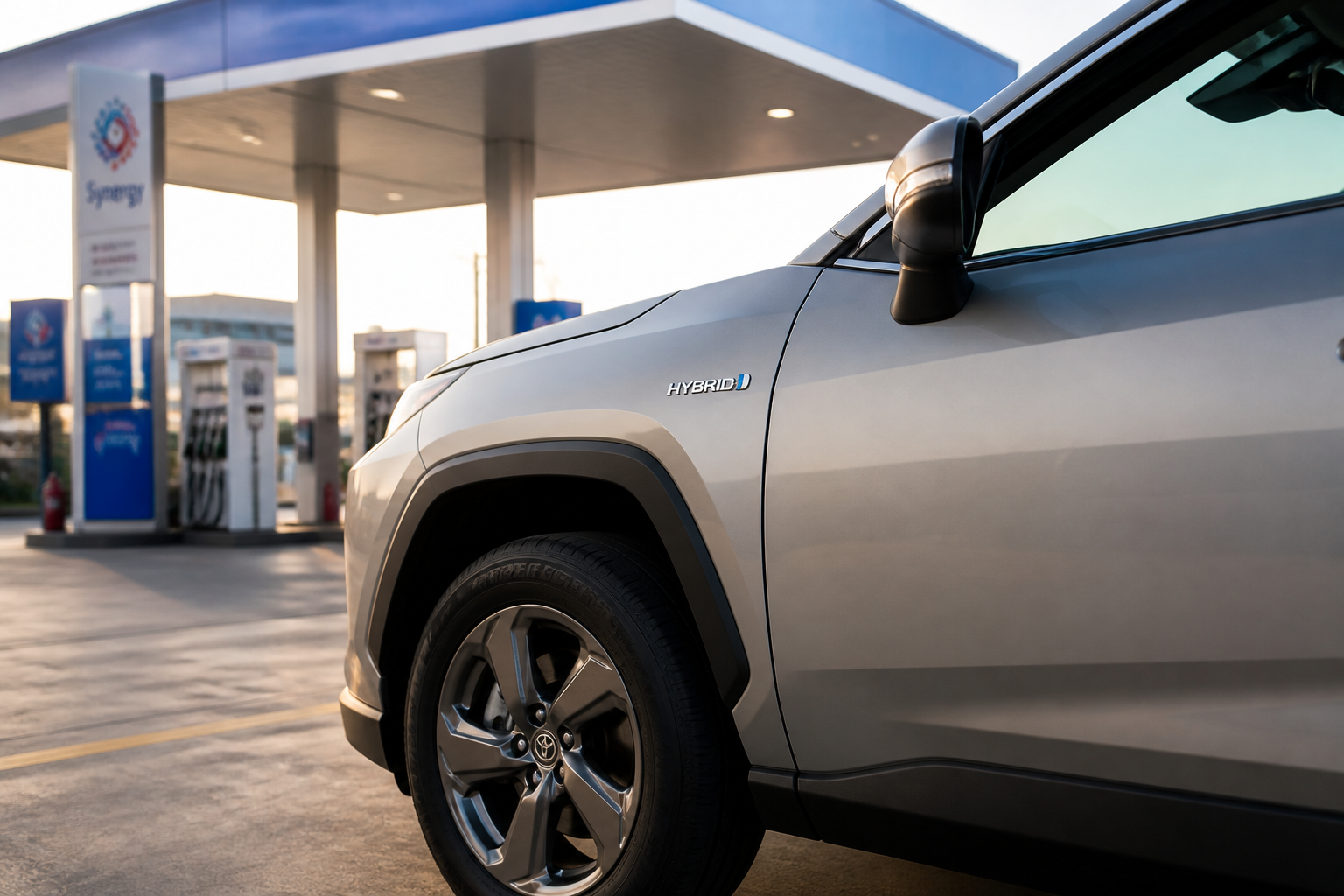
- Toyota, Honda, Hyundai and Kia are riding extended hybrid momentum with retail demand continuing through October 2024
- The 2027 Nissan Rogue Hybrid delivers EV-like performance without requiring plug-in charging capability
- The 2027 Mazda3 maintains attractive pricing while adding features across manual hatchback and sedan variants
- Hybrids appeal to mainstream consumers seeking efficiency without the complexity and cost of plug-in or full electric drivetrains
Hybrid vehicles are experiencing a surge in retail demand across major automakers heading into the fourth quarter of 2024, with Toyota, Honda, Hyundai and Kia all reporting sustained momentum through October. The trend signals a shift in consumer preference toward efficient powertrains that avoid the charging infrastructure requirements and higher costs associated with plug-in and fully electric vehicles.
Industry reports indicate that the four Japanese and South Korean manufacturers are extending their hybrid sales strength well beyond traditional peak seasons, with retail buyers showing consistent interest in conventional hybrid technology over battery-electric alternatives.
Hybrids gain ground across price segments
The hybrid resurgence is manifesting across multiple vehicle segments and price points. Nissan’s 2027 Rogue Hybrid exemplifies the mainstream appeal, offering electric-vehicle-like performance characteristics without requiring plug-in charging infrastructure. The crossover targets buyers seeking efficiency gains in the popular compact SUV segment without the range anxiety or charging planning associated with battery-electric vehicles.
At the more affordable end of the spectrum, the 2027 Mazda3 maintains competitive pricing while adding equipment across both manual hatchback and sedan body styles, demonstrating that hybrid adoption is not solely a premium-segment phenomenon.
Why buyers are choosing hybrids over EVs
The acceleration in hybrid adoption reflects pragmatic consumer decision-making during the ongoing electrification transition. Conventional hybrids deliver substantial efficiency improvements over petrol-only powertrains—typically 30 to 50 percent better fuel economy in mixed driving—while eliminating the infrastructure constraints that complicate battery-electric vehicle ownership for many households.
Unlike plug-in hybrids or full EVs, conventional hybrids require no changes to daily routines, no home charging equipment installation, and no route planning around public charging networks. The technology operates transparently to drivers familiar with traditional vehicles, regenerating battery charge through braking and coasting rather than requiring external power sources.
Cost considerations also favor hybrids in the current market. While battery-electric vehicles command significant price premiums—often $10,000 to $15,000 above comparable petrol models—hybrids typically add $2,000 to $4,000 to transaction prices, a difference many buyers can justify through fuel savings over typical ownership periods of five to seven years.
What this means for buyers
For consumers navigating the transition away from conventional internal combustion engines, the current hybrid surge offers validation that stepping-stone technology remains viable. Shoppers who feel pressure to embrace electrification but harbor concerns about charging access, winter range degradation, or battery longevity now have manufacturer backing for the hybrid middle path.
The strong retail performance at Toyota, Honda, Hyundai and Kia also signals that hybrid inventory should remain readily available through the 2025 model year, potentially with competitive incentives as automakers work to maintain momentum. Buyers can expect manufacturers to expand hybrid availability across additional models and trim levels in response to sustained demand.
Those considering battery-electric vehicles should not interpret hybrid strength as evidence against EV adoption, but rather as confirmation that multiple electrified pathways coexist in mature markets. Urban buyers with home charging access and predictable daily driving patterns may still find EVs optimal, while those in rural areas, apartment dwellers without dedicated parking, or households requiring frequent long-distance travel may find hybrids better suited to their circumstances.
Market implications heading into 2025
The October sales strength positions hybrids as a critical volume driver for automakers facing increasingly stringent fleet emissions regulations in North America, Europe and other developed markets. Manufacturers can bank substantial compliance credits from hybrid sales while deferring the higher warranty risks and infrastructure dependencies associated with battery-electric model expansion.
This dynamic may slow the pace of EV rollouts at some manufacturers, particularly in segments where hybrid alternatives prove popular. Automakers originally planning aggressive EV timelines may opt to extend hybrid lifecycles and defer capital-intensive battery plant investments until charging infrastructure matures and consumer acceptance broadens.
For the industry overall, robust hybrid demand through Q4 2024 suggests the path to transportation electrification will be gradual rather than revolutionary, with conventional hybrids serving as the primary volume technology for the remainder of the decade in markets outside China.